
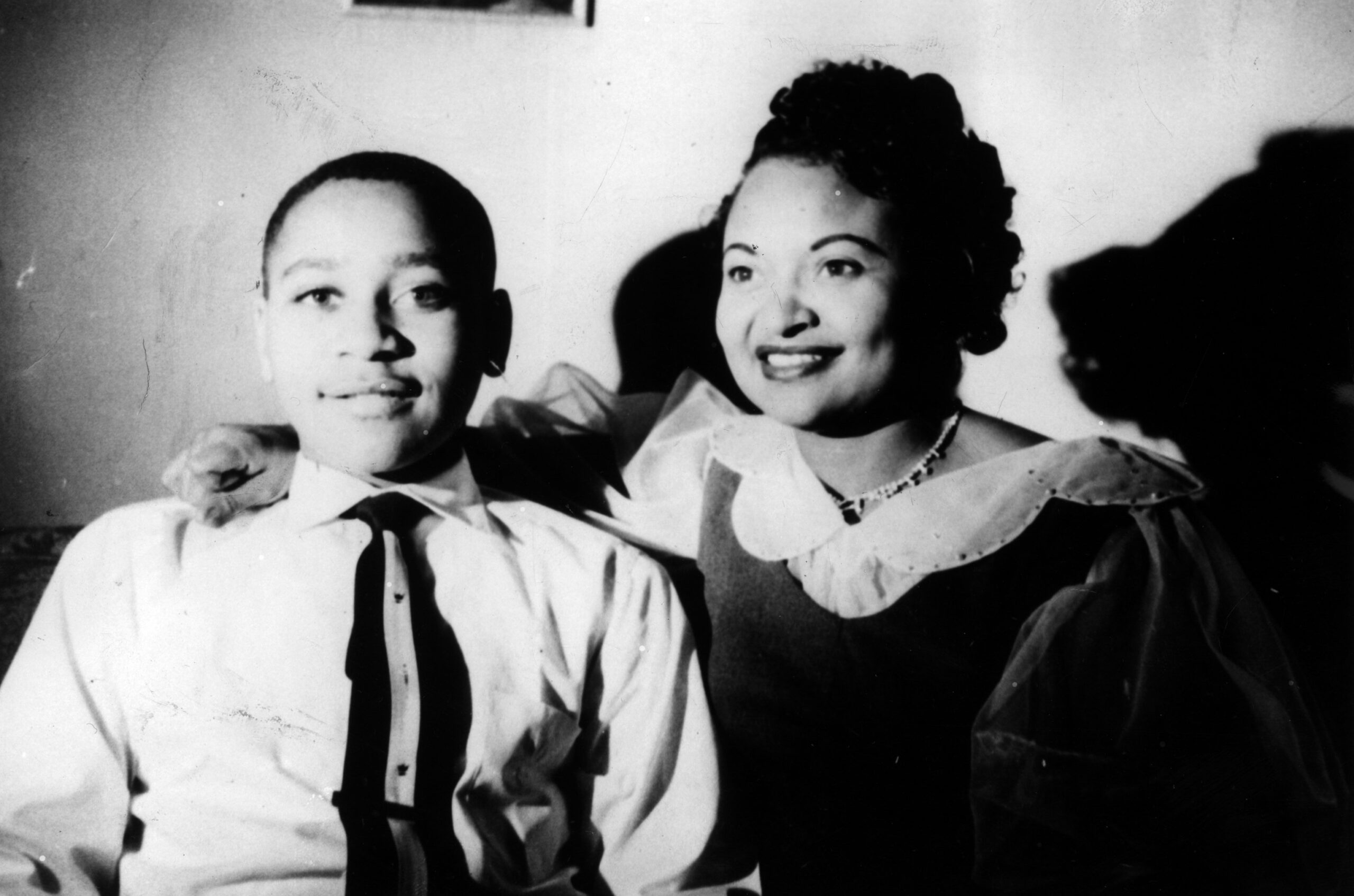
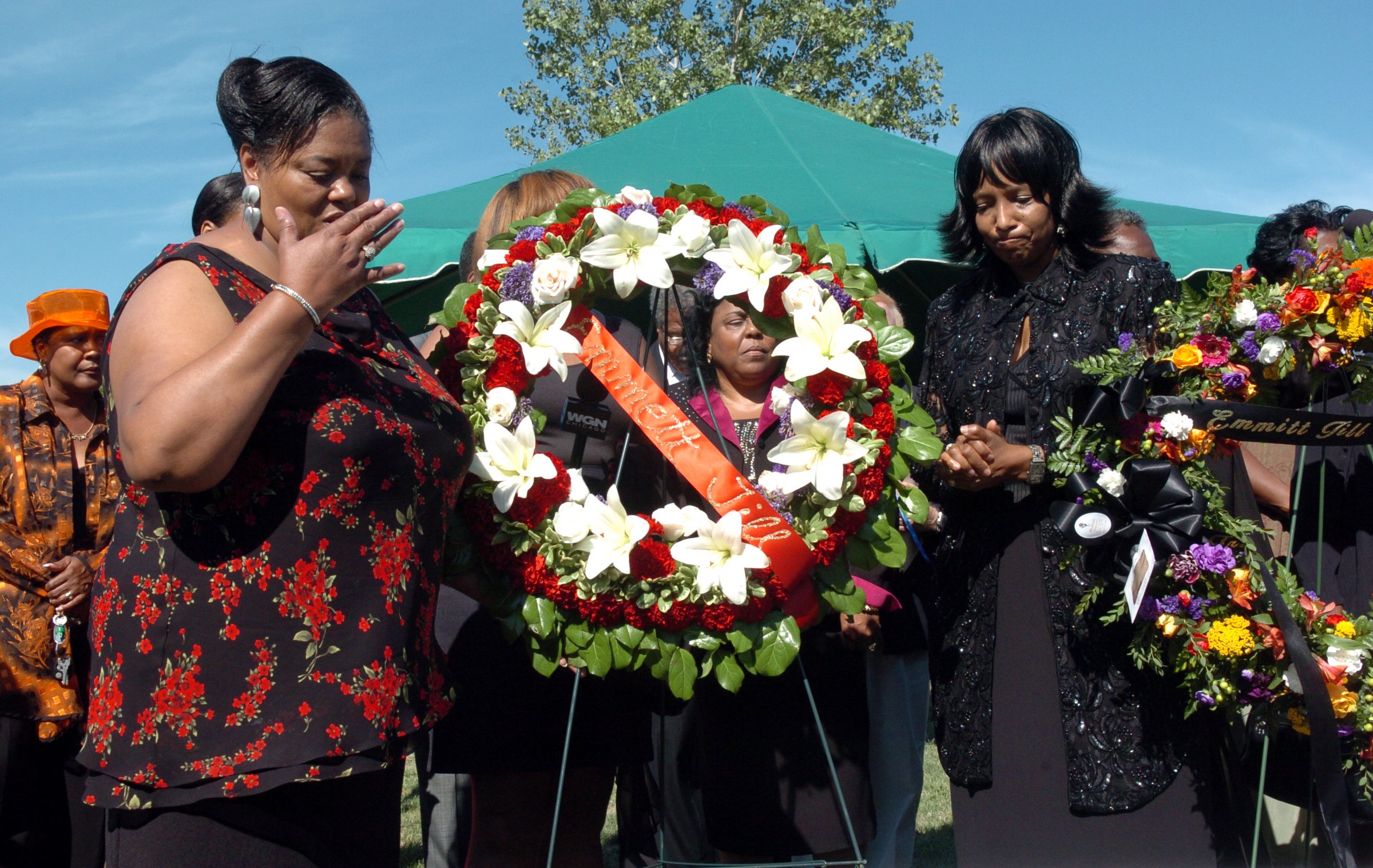
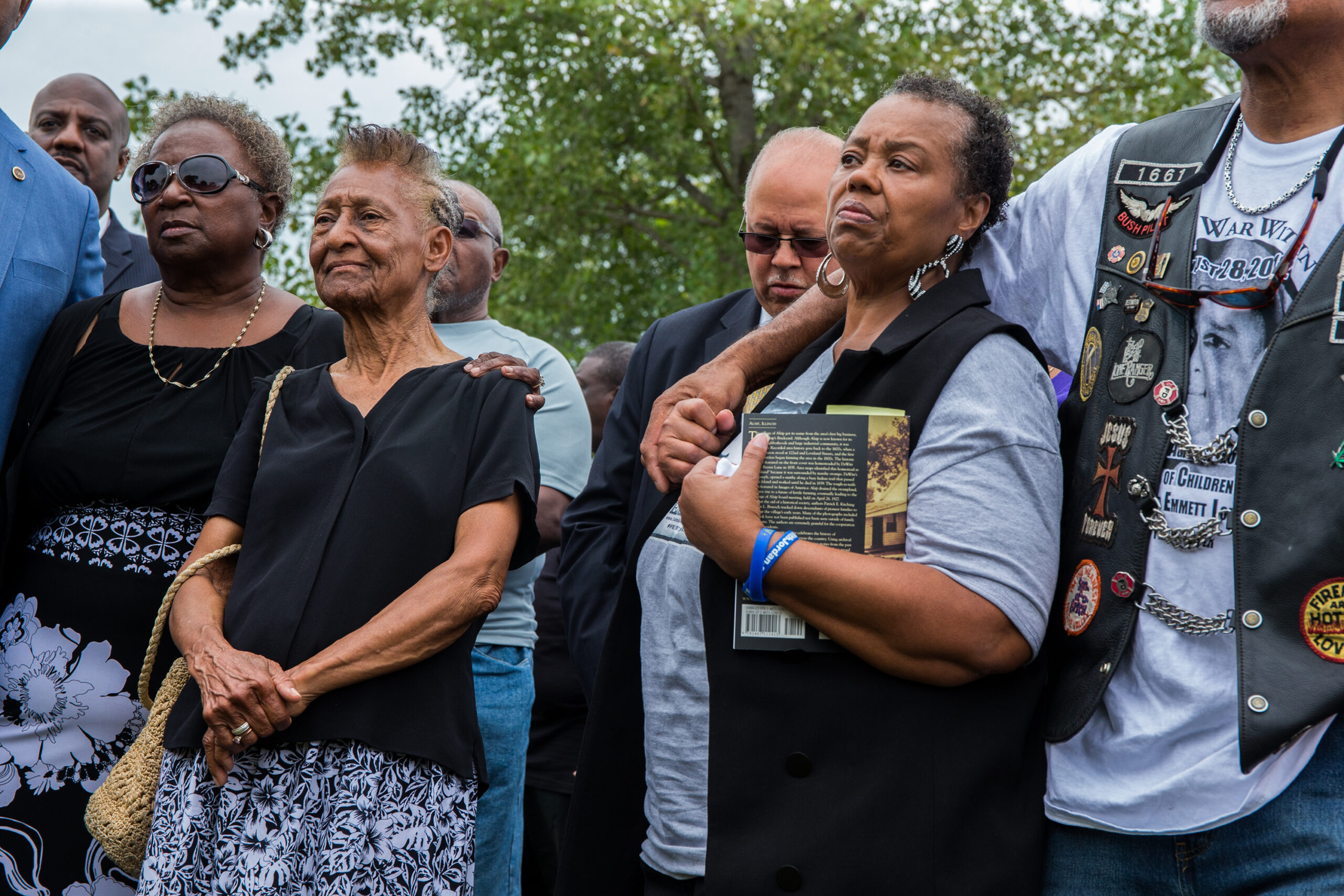
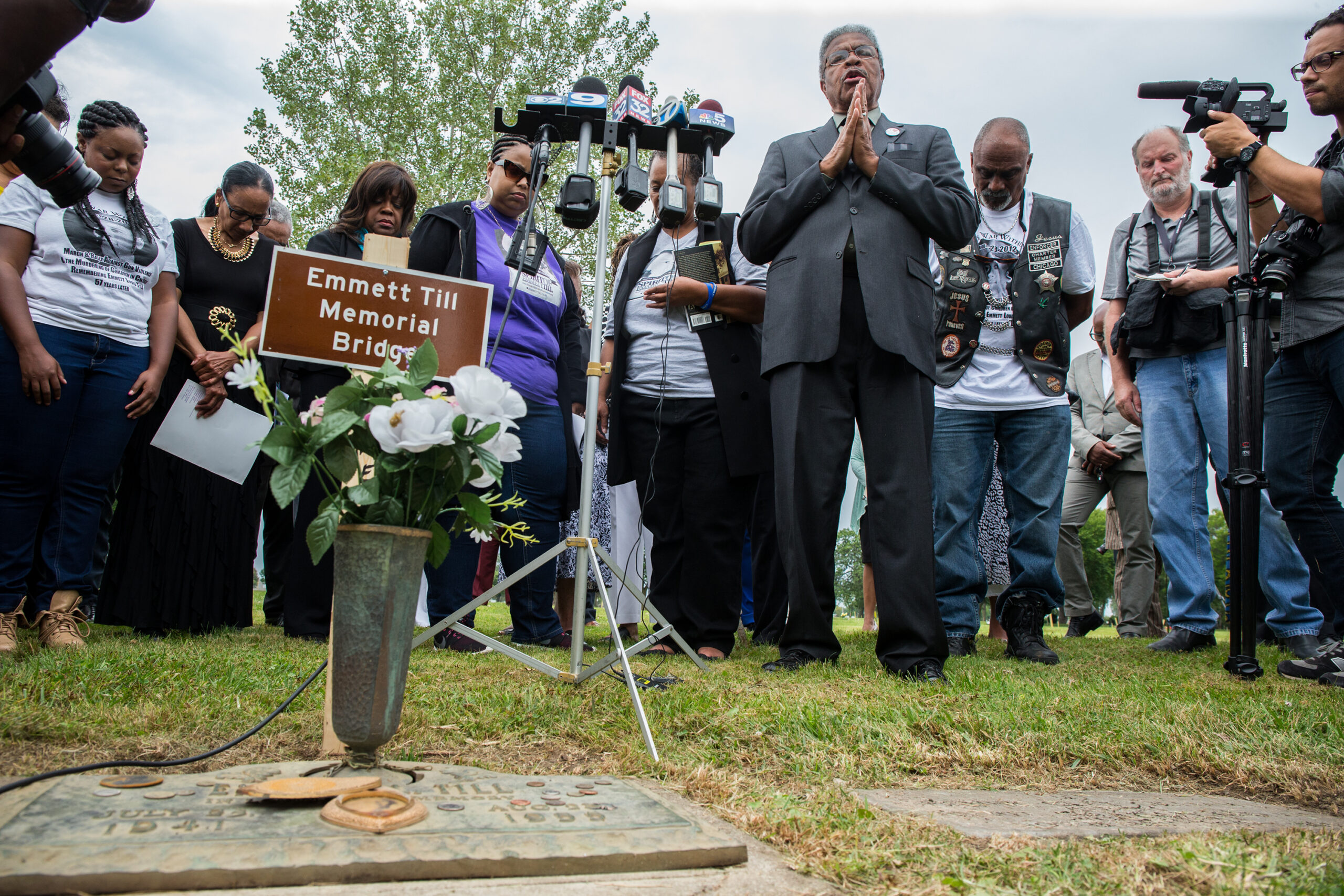
A small group including friends and family of civil rights activist Mamie Till-Mobley, the mother of Emmett Till, gathered Tuesday to lay flowers on her grave in Burr Oak Cemetery in Alsip on the anniversary of her death.
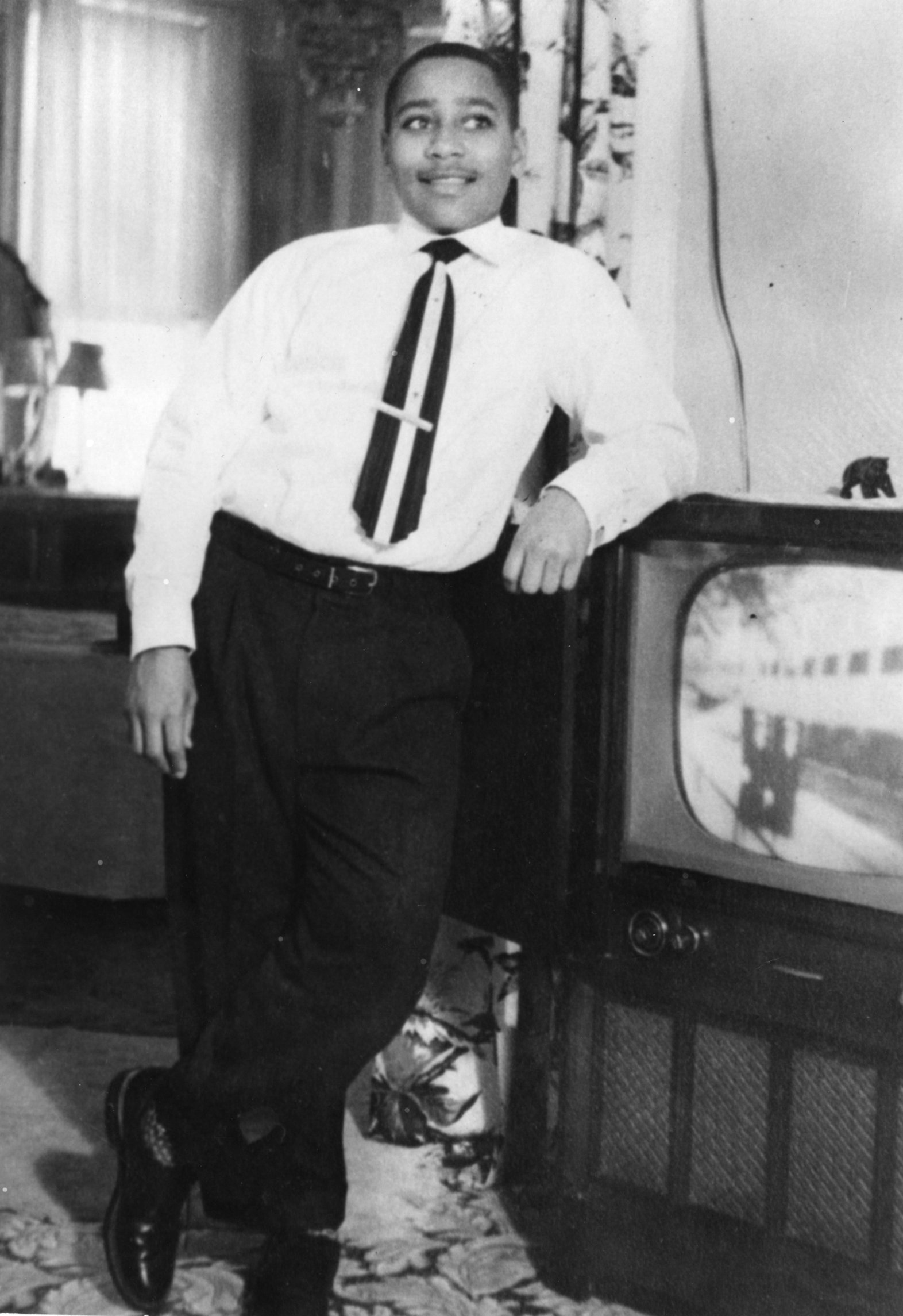
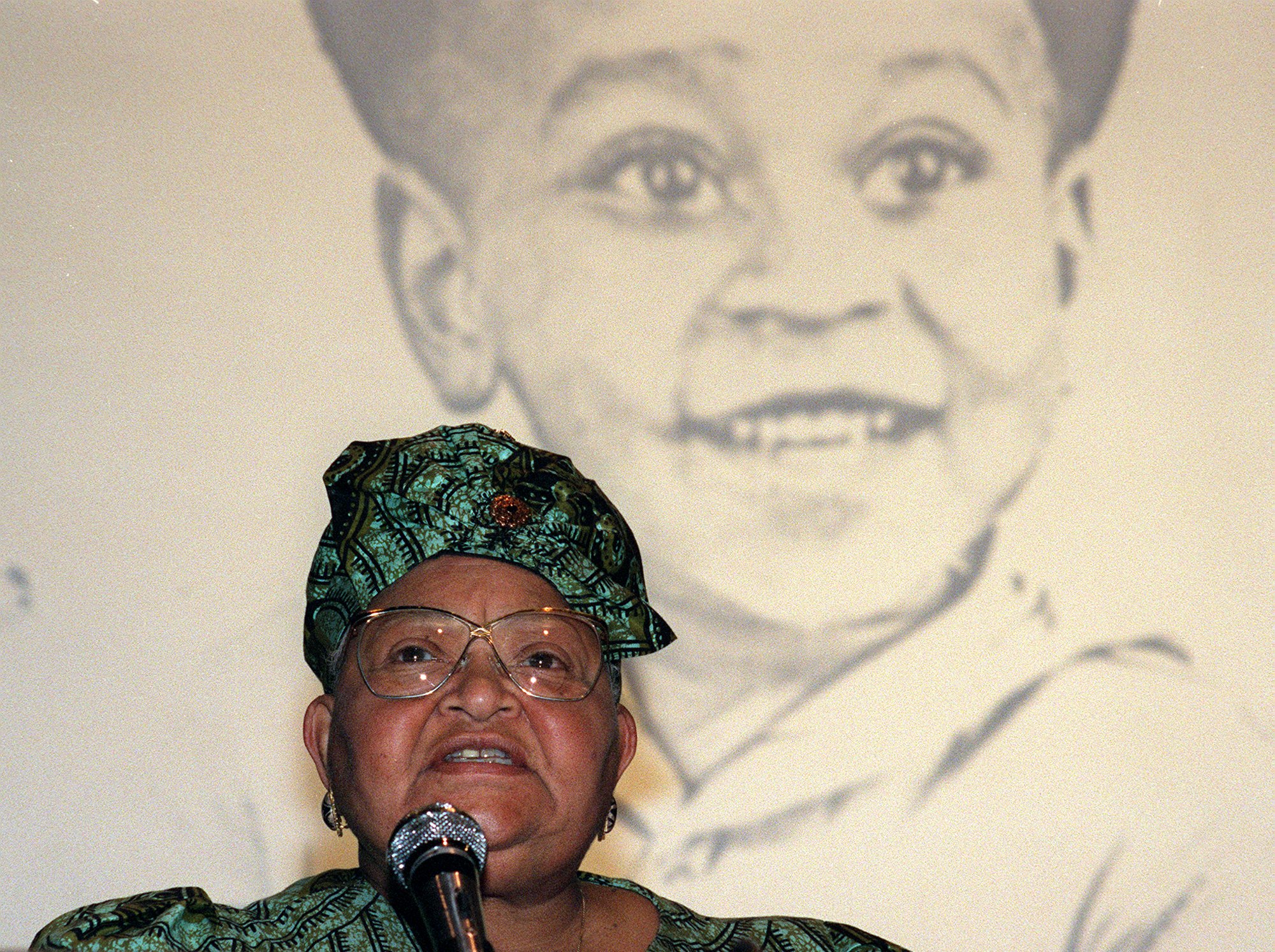
Till-Mobley died in 2003, at age 81, having spent much of her life as an advocate for racial justice following the gruesome lynching of her 14-year-old son in 1955.
“She gave birth to the sacrificial lamb,” said Ollie Gordon, a member of the Till family and cousin of Emmett Till. “She endured much pain as she moved forward with much integrity to keep the story alive. She opened the coffin, she let the world see.”
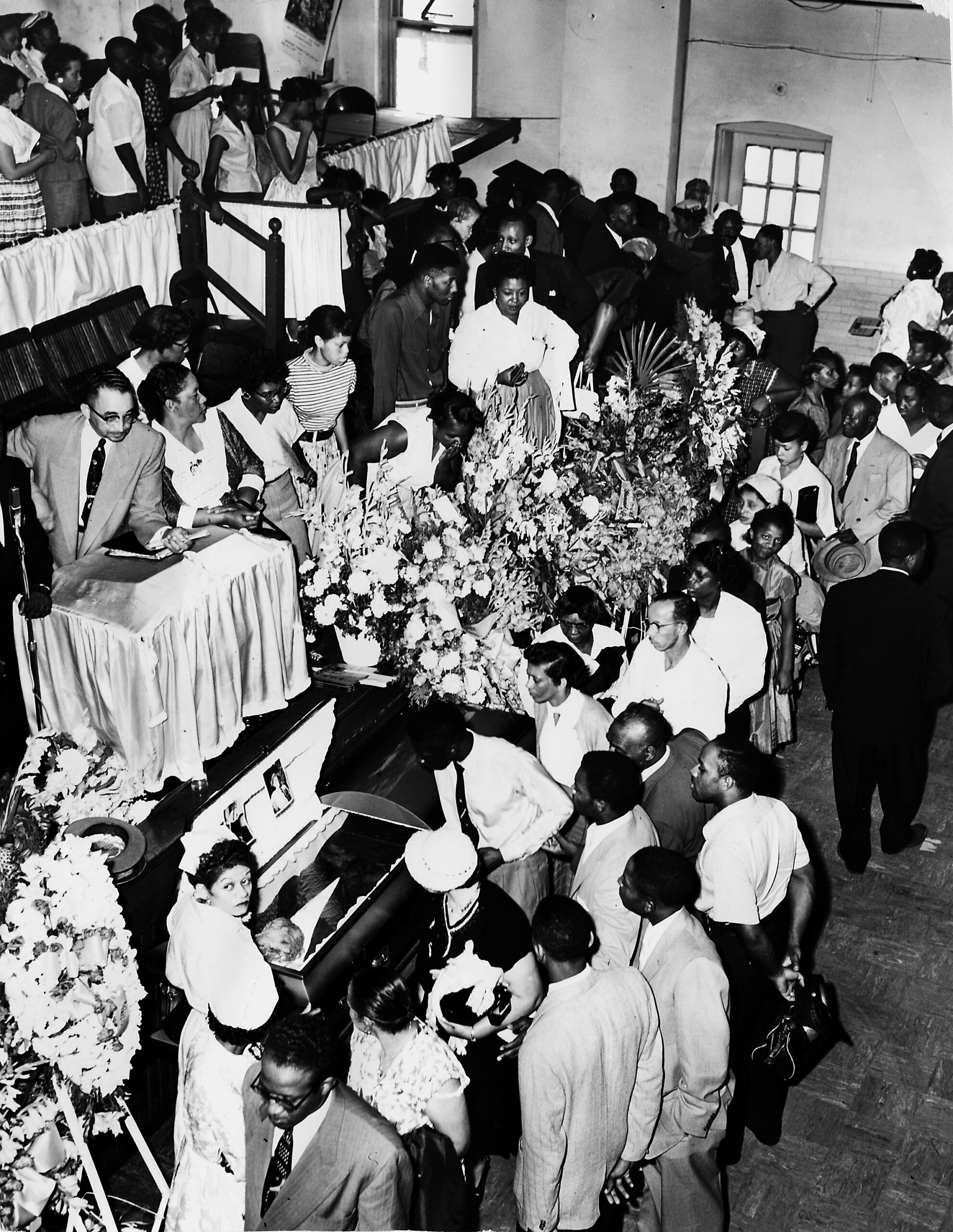
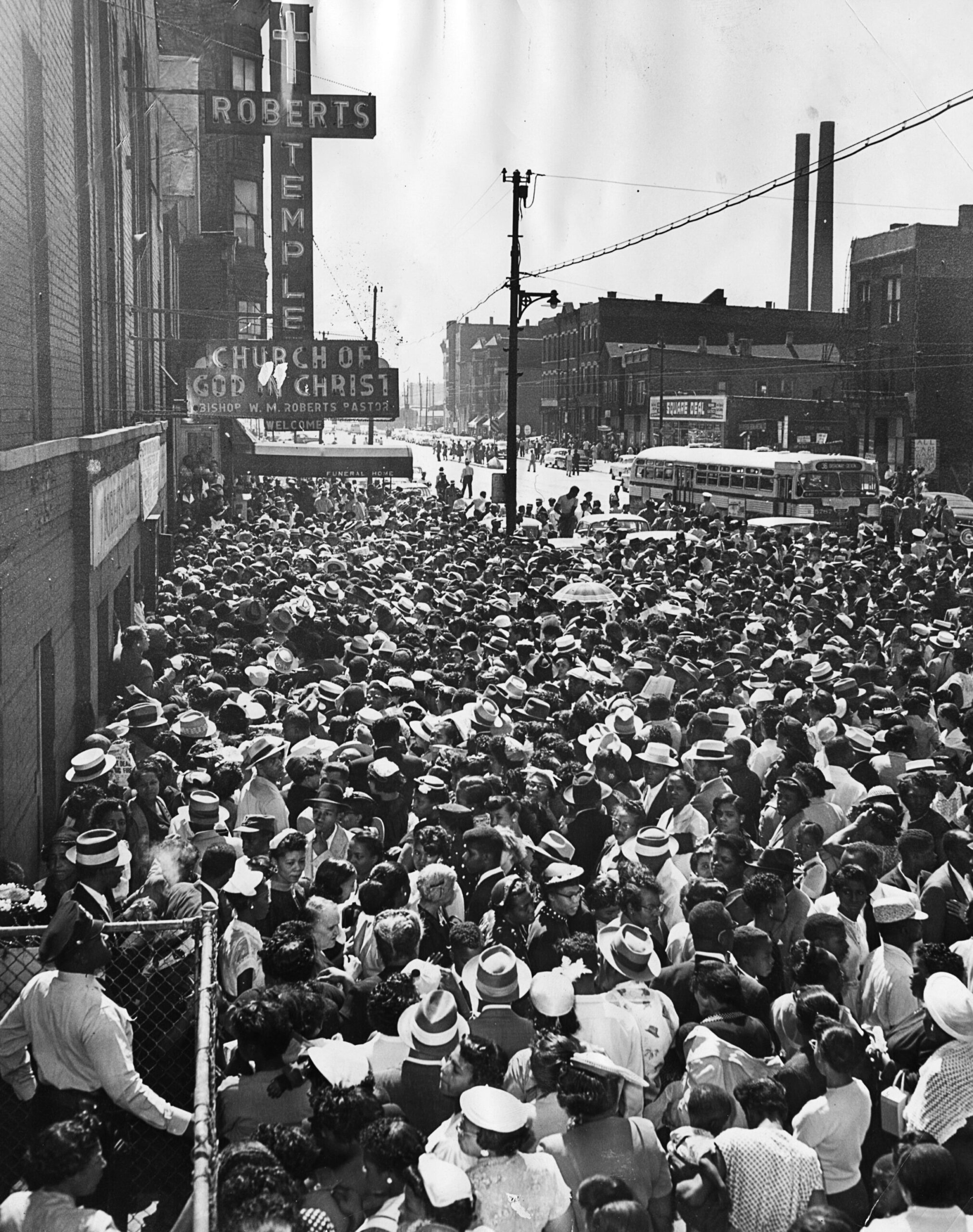
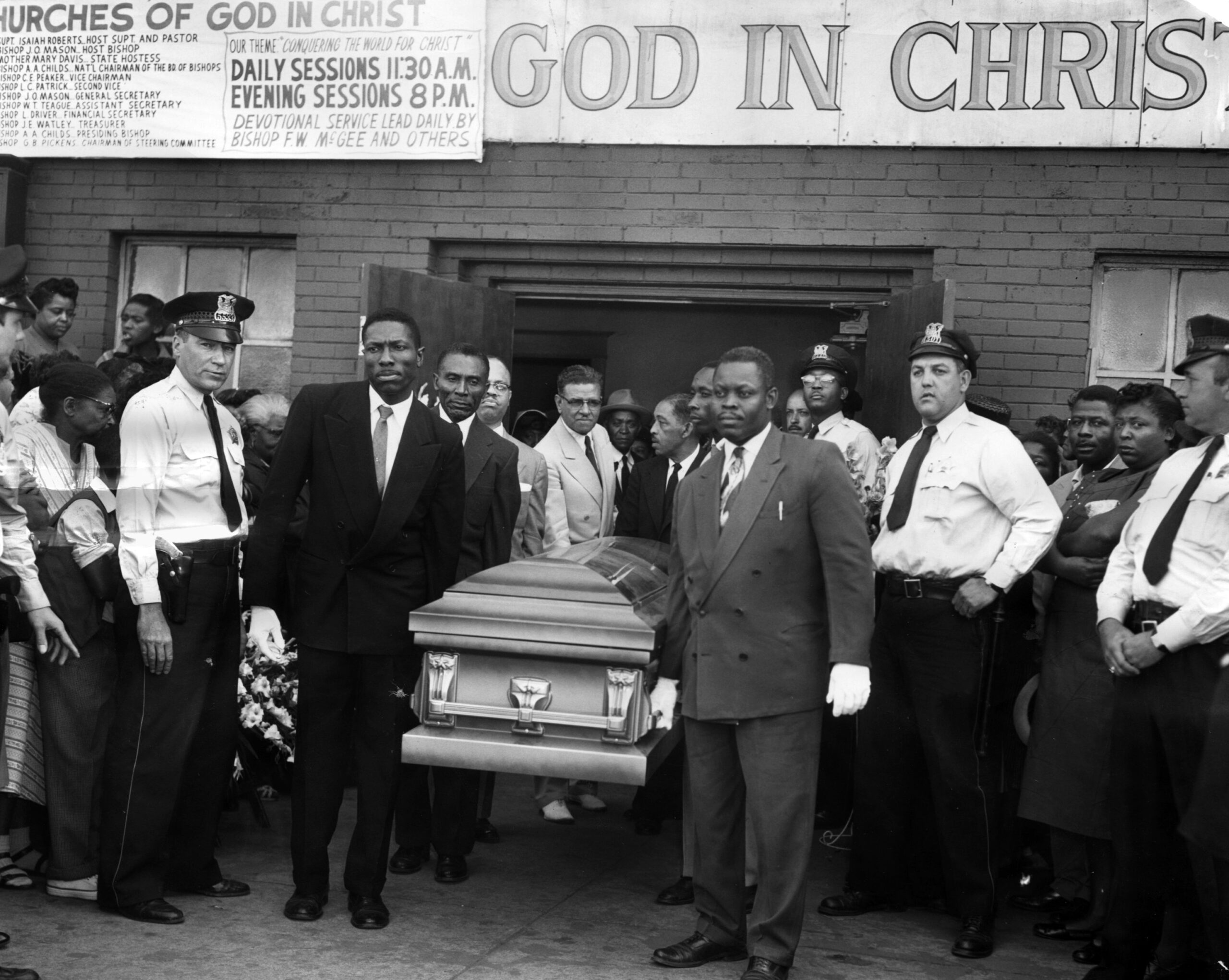
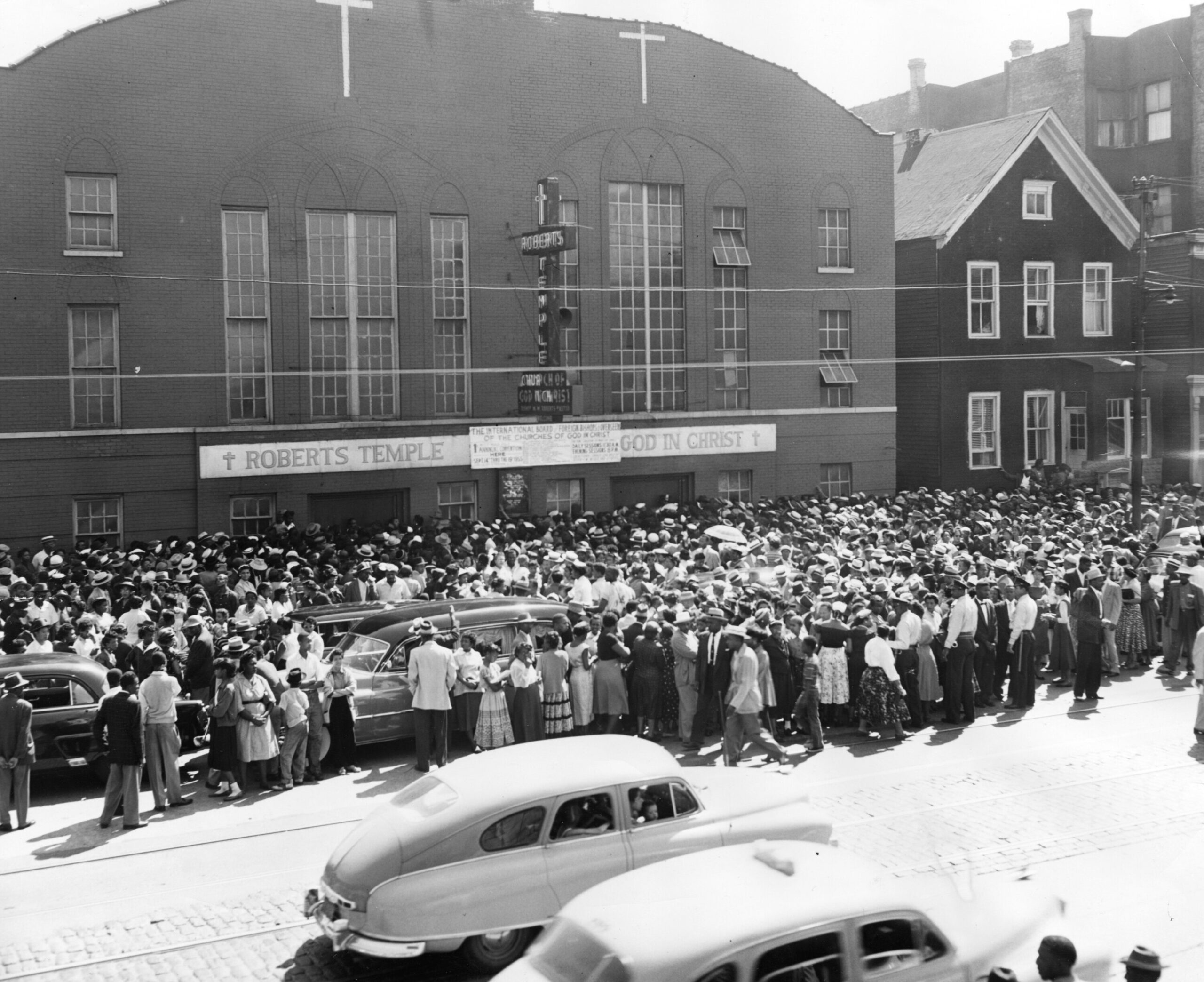
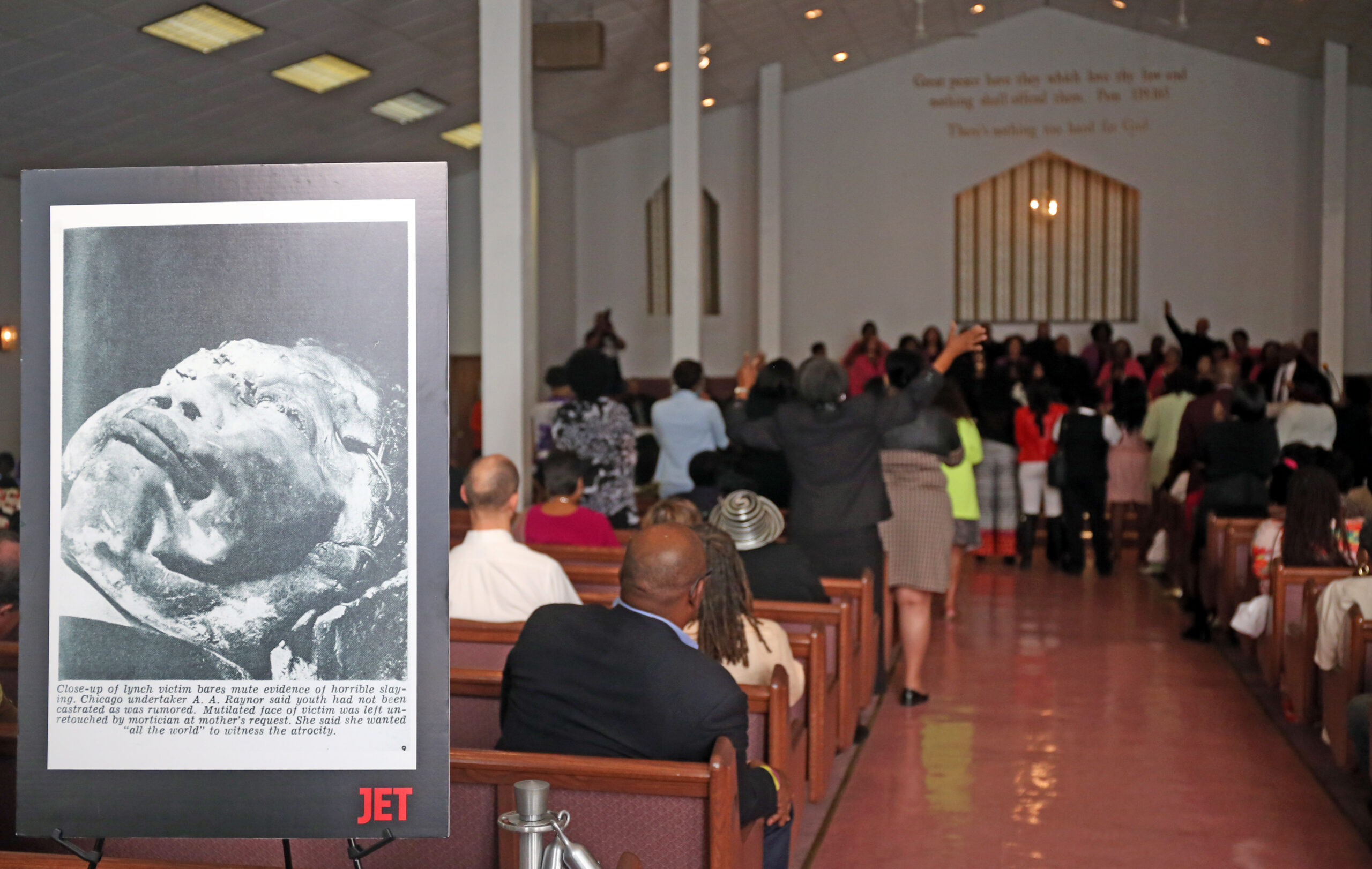
Till-Mobley’s choice of an open-casket funeral for her son, despite how badly his body had been mutilated, brought racism to the forefront of the public discourse and acted as a spark for the Civil Rights Movement.
“She said his mutilated body represented to show the world what racism was like,” Gordon said. “Grotesque, ugly thing of racism.”
Gordon was 7 when Emmett Till was killed. She’s now 77, she said, and still committed to keeping both his and Till-Mobley’s memories alive through events like Tuesday’s remembrance.
“Seventy years later, and the story of Emmett still resonates,” Gordon said. “Mrs. Mobley always said, ‘I want this story to stay alive.’ To whomever. She didn’t just say to the family, or whatever. To whomever would pick up the torch.”
One of the attendees Tuesday, Mike Small, was a friend of Till-Mobley’s and a pallbearer at her funeral. He said he met her late in her life, in 2000. Small, a social studies teacher at the time, was teaching his class about Emmett Till’s death when a student asked if Till-Mobley was still alive, prompting him to seek her out.
“There’s five people I’ve met in my life where I felt I was in the presence of an extraordinary human being,” Small said. “Mamie’s one of them.”
During Till-Mobley’s funeral, Small said, there was a jam when the coffin would not roll smoothly onto the rollers to be lowered into the grave.
“My interpretation is, that was Mamie sending us a message,” Small said. “She does not want her story to go away.”

Chictowa Weatherspoon, a crisis counselor at Burr Oak Cemetery, said that Till-Mobley’s legacy was one of enduring courage.
“Her tragedy made a difference in us. Her tragedy gave us courage, gave us strength to go forward,” Weatherspoon said. “We honor her and her courage, in showing us that we can move beyond our tragedies.”
After attendees laid fresh flowers down on Till-Mobley’s grave, Weatherspoon concluded the gathering with a prayer.
“We thank God for Mamie Till and her courage,” Weatherspoon said. “God, we thank you most of all for her saying, ‘Look at this.’”
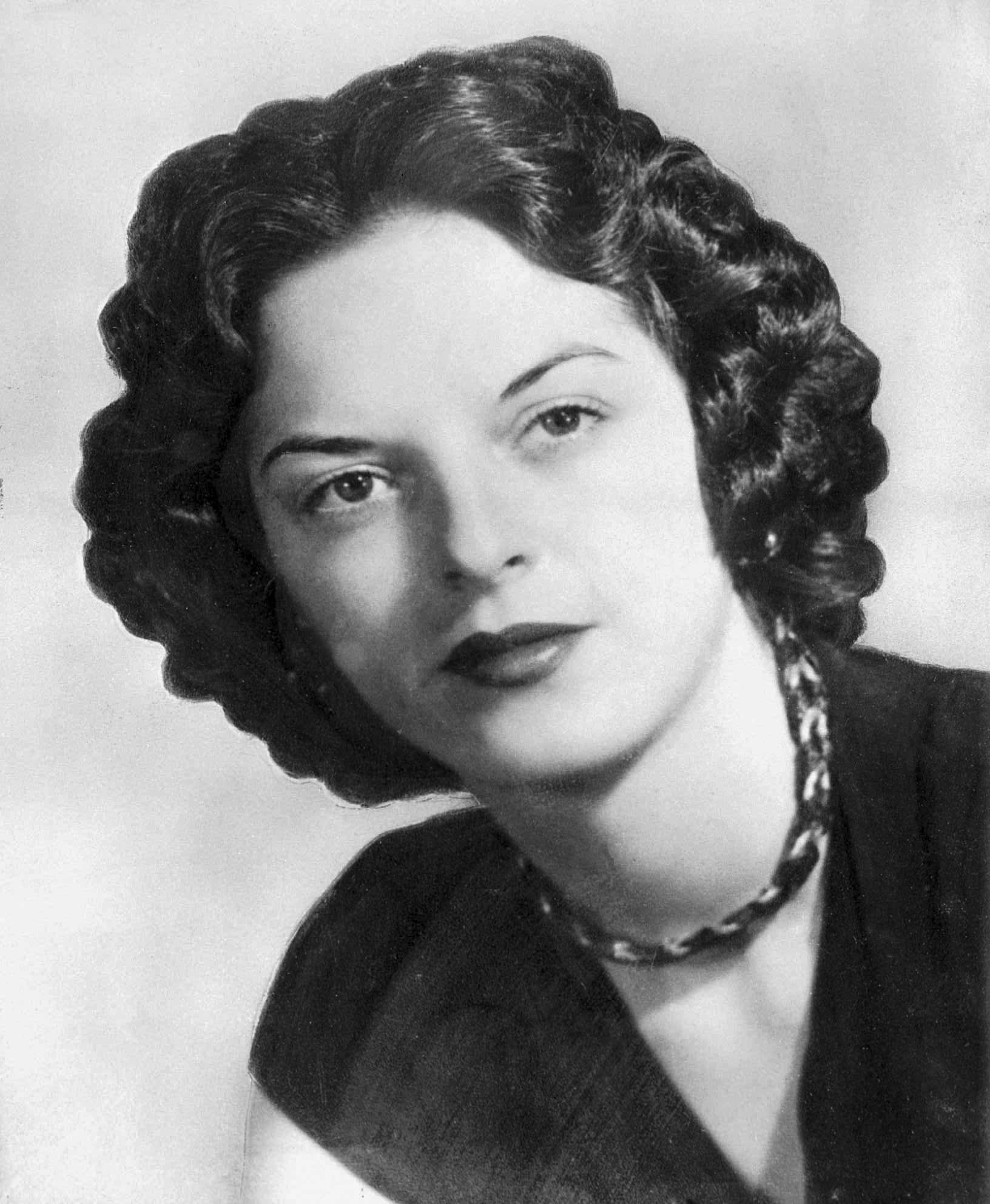
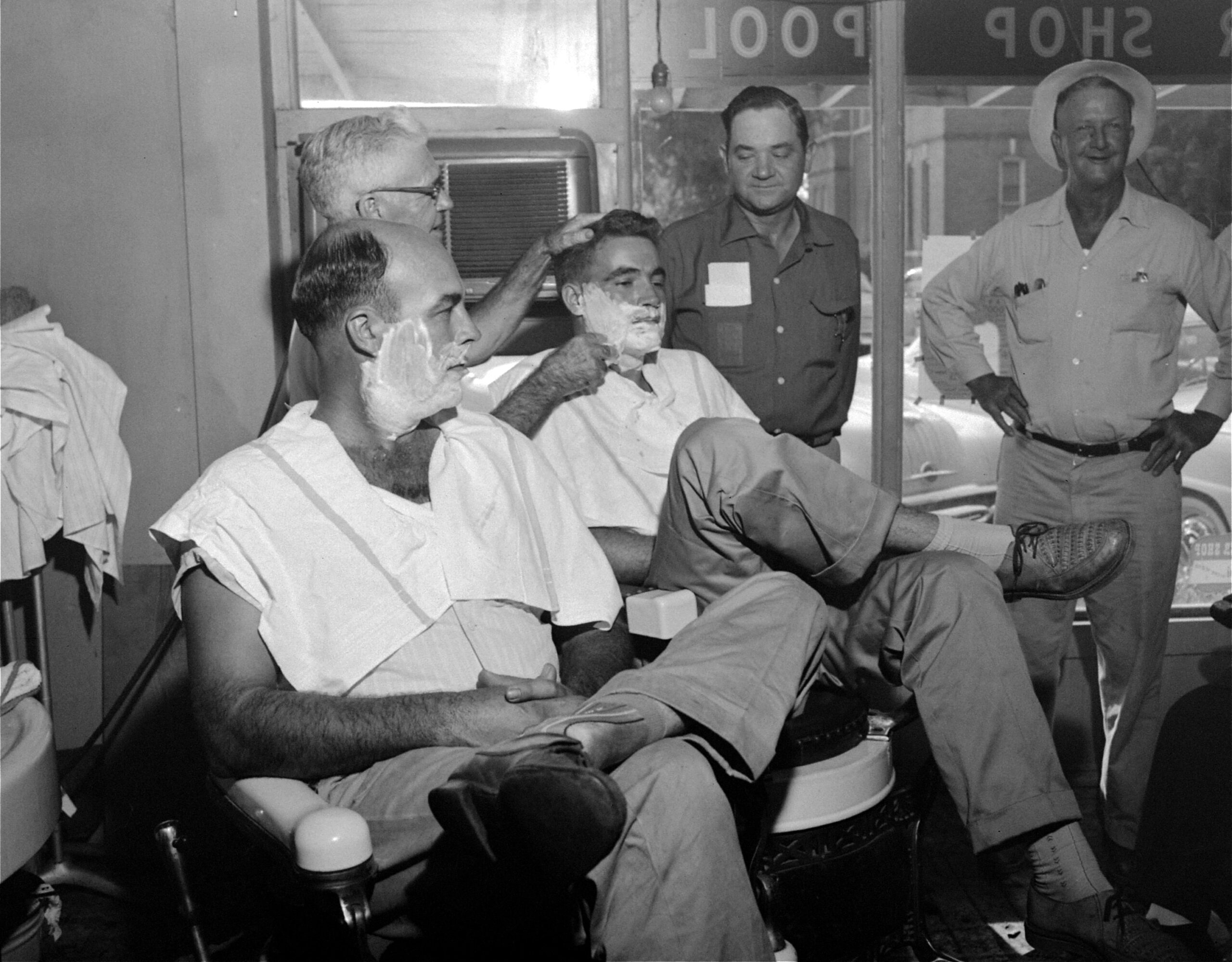
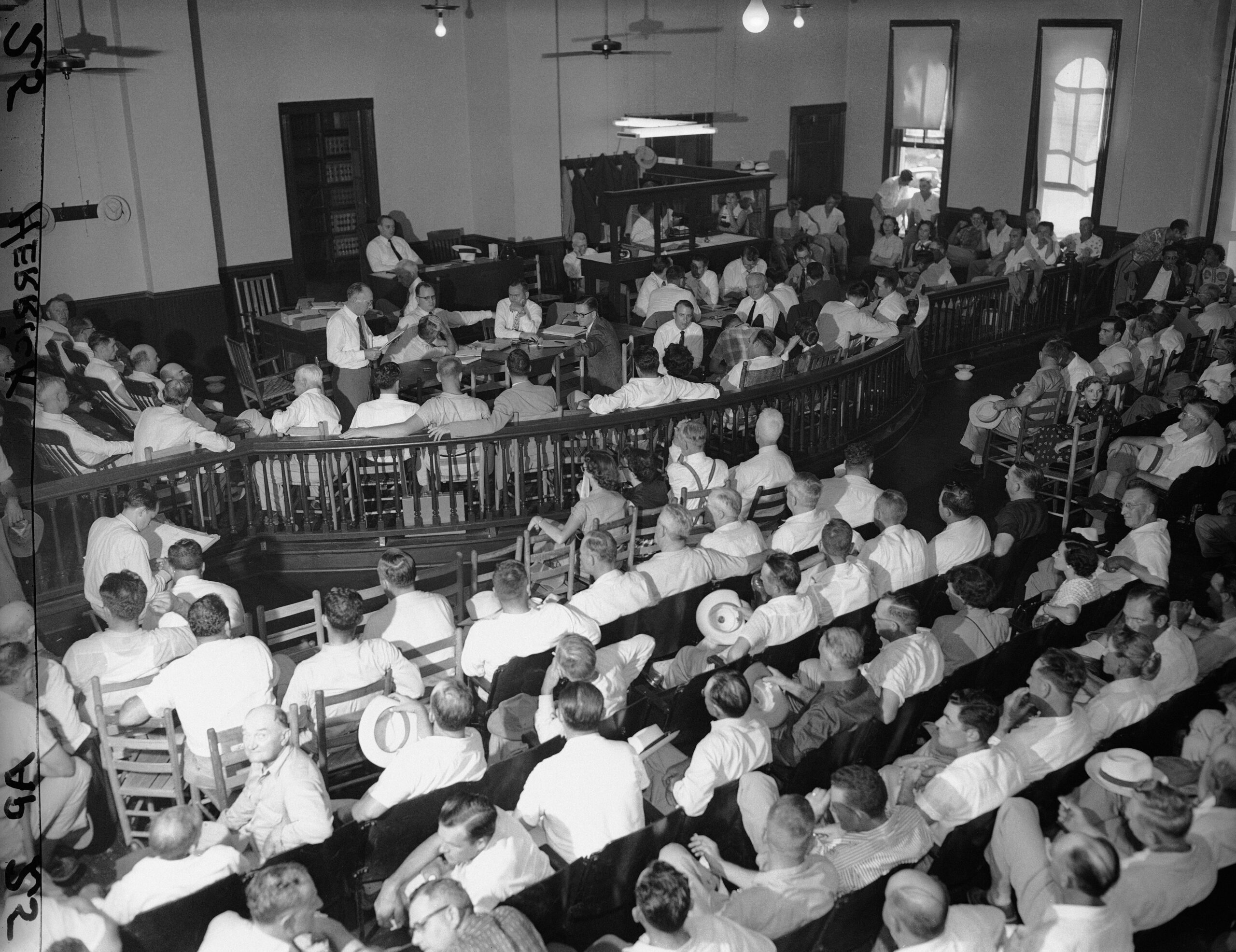
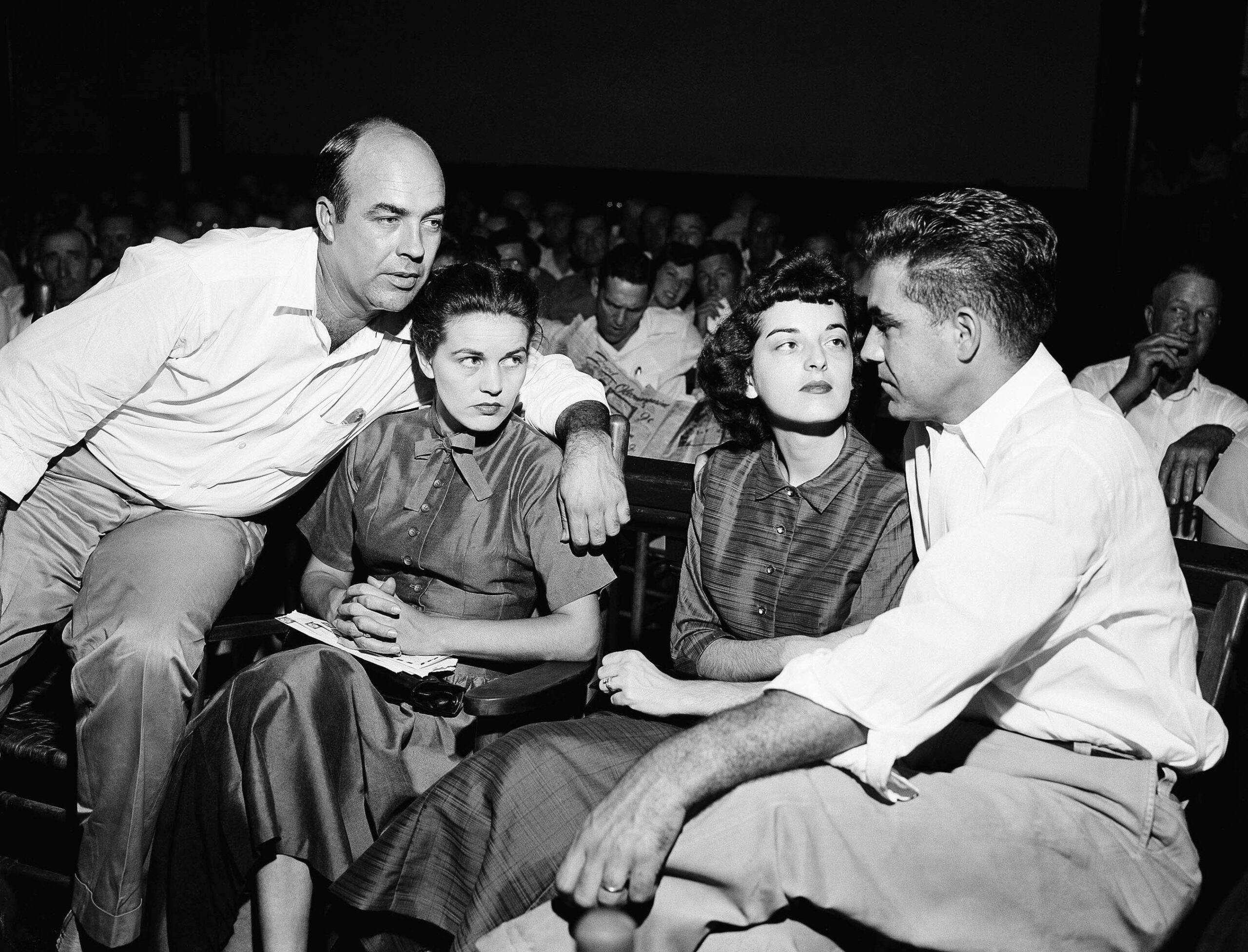
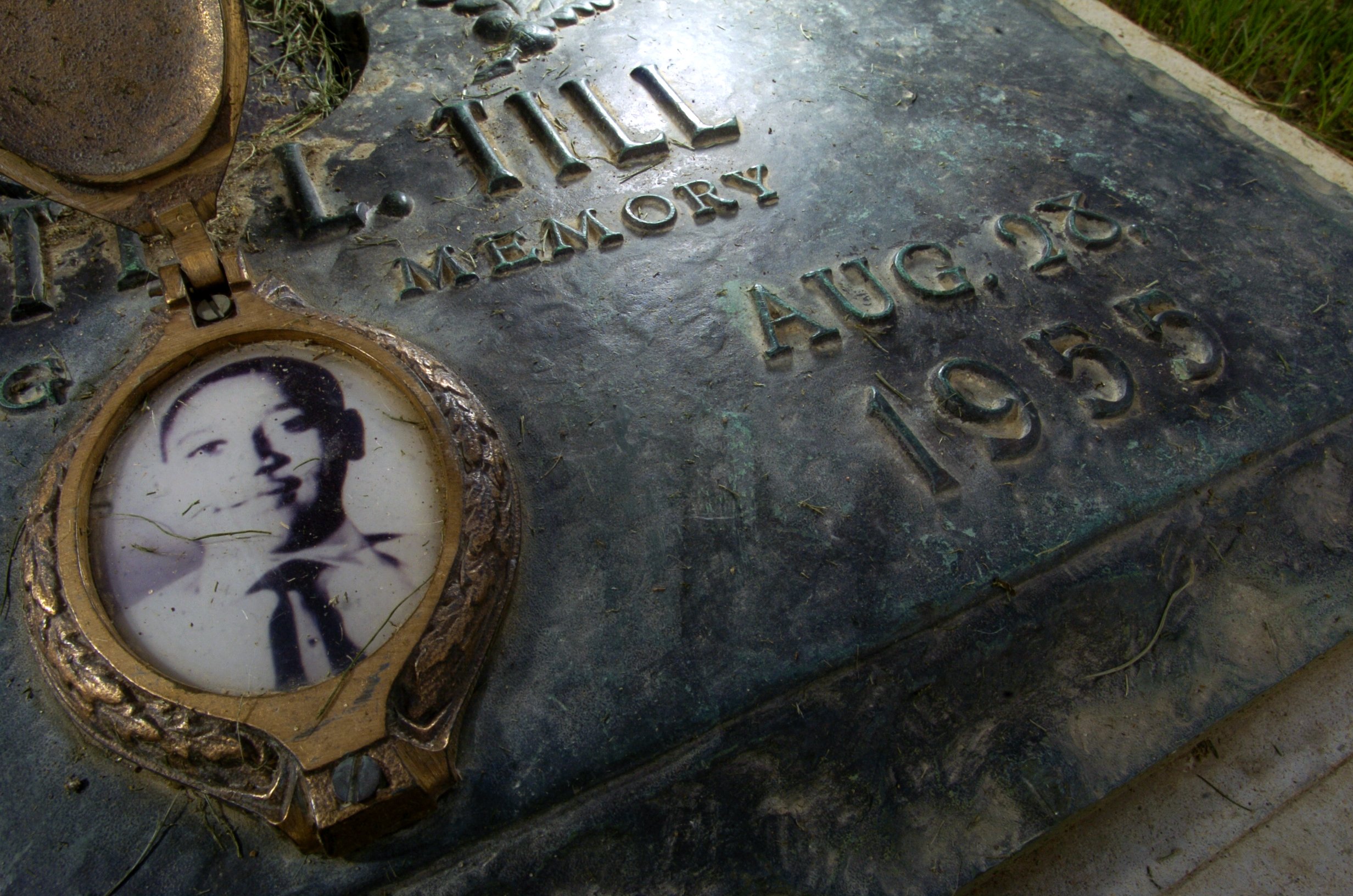
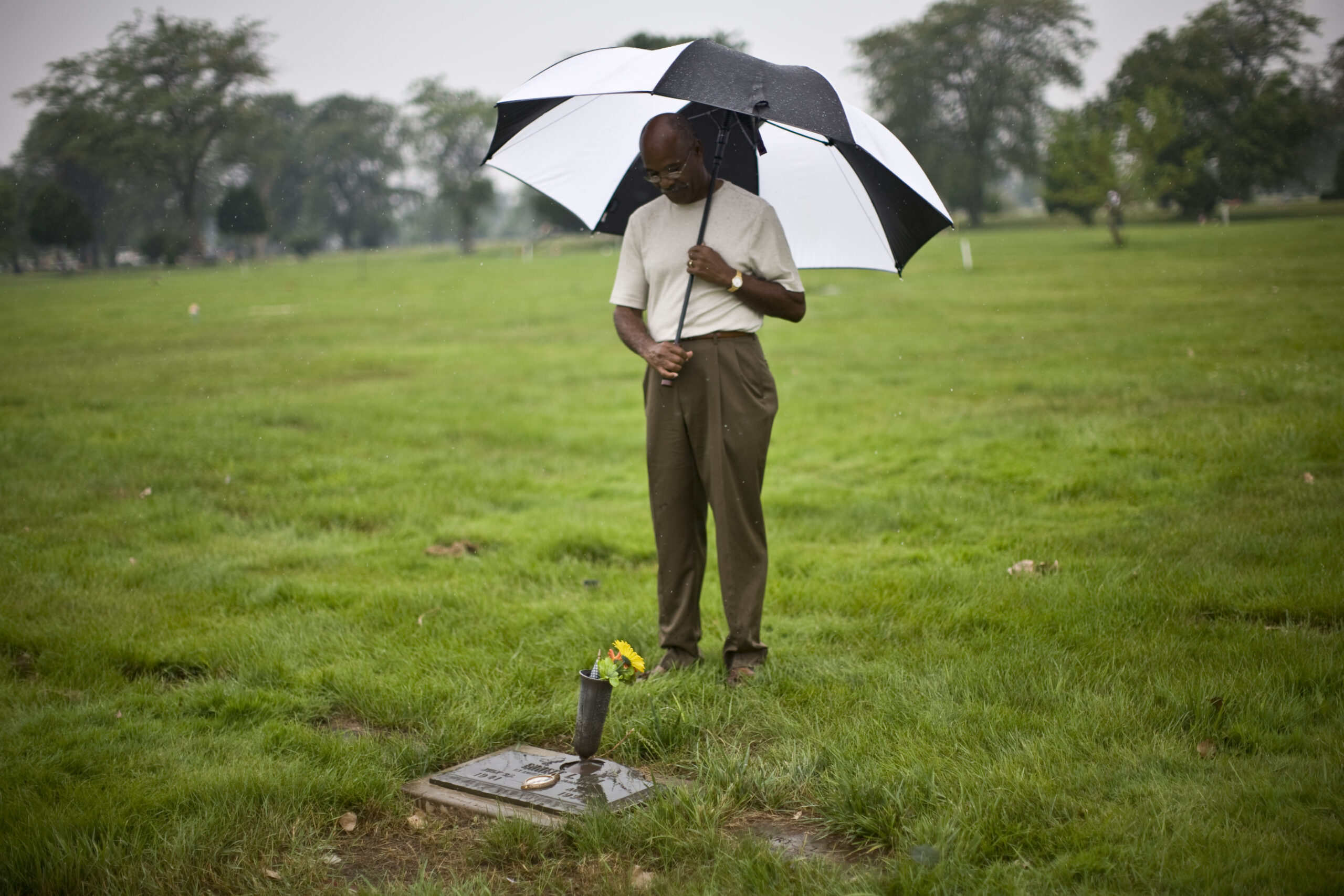

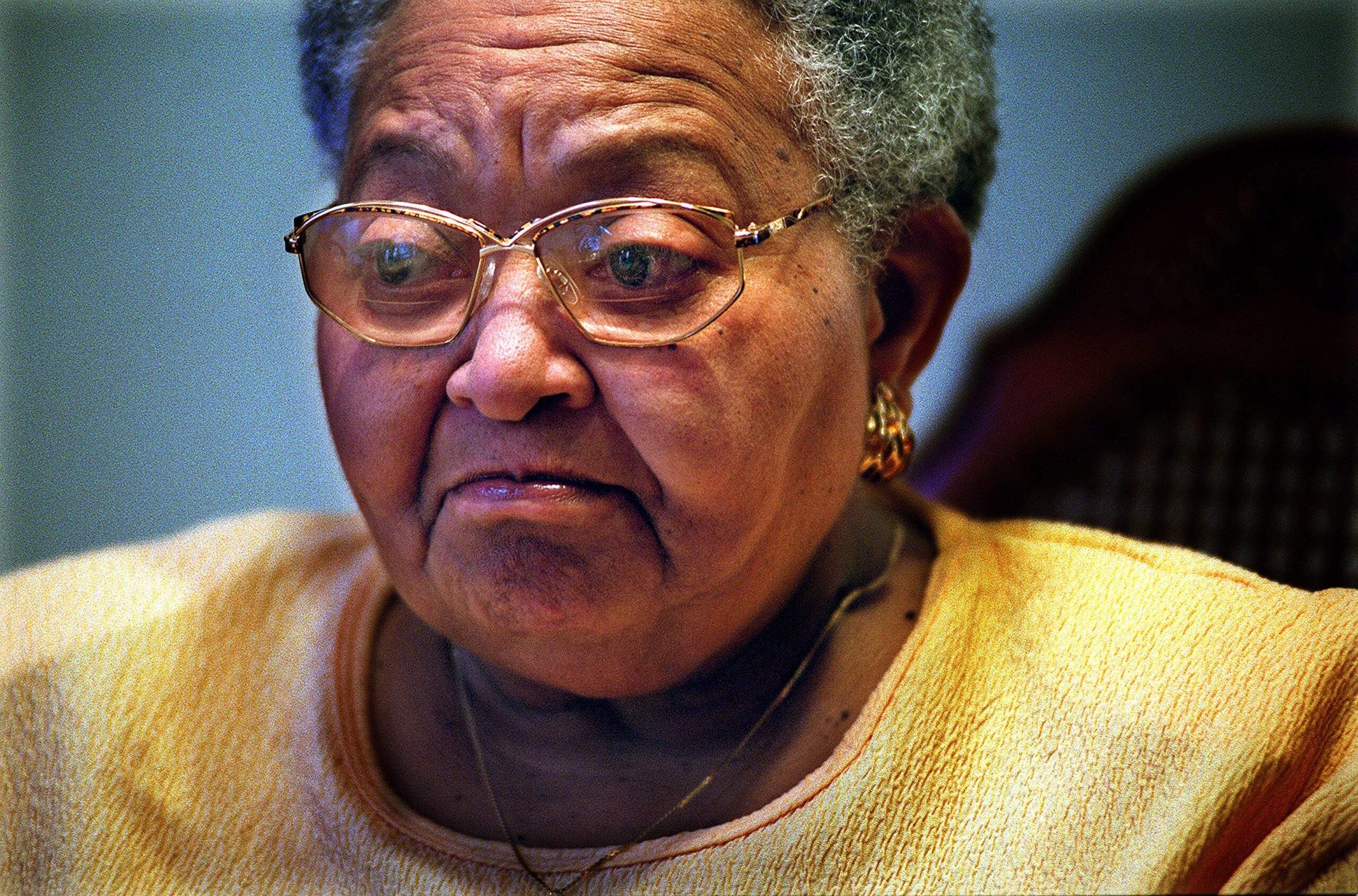
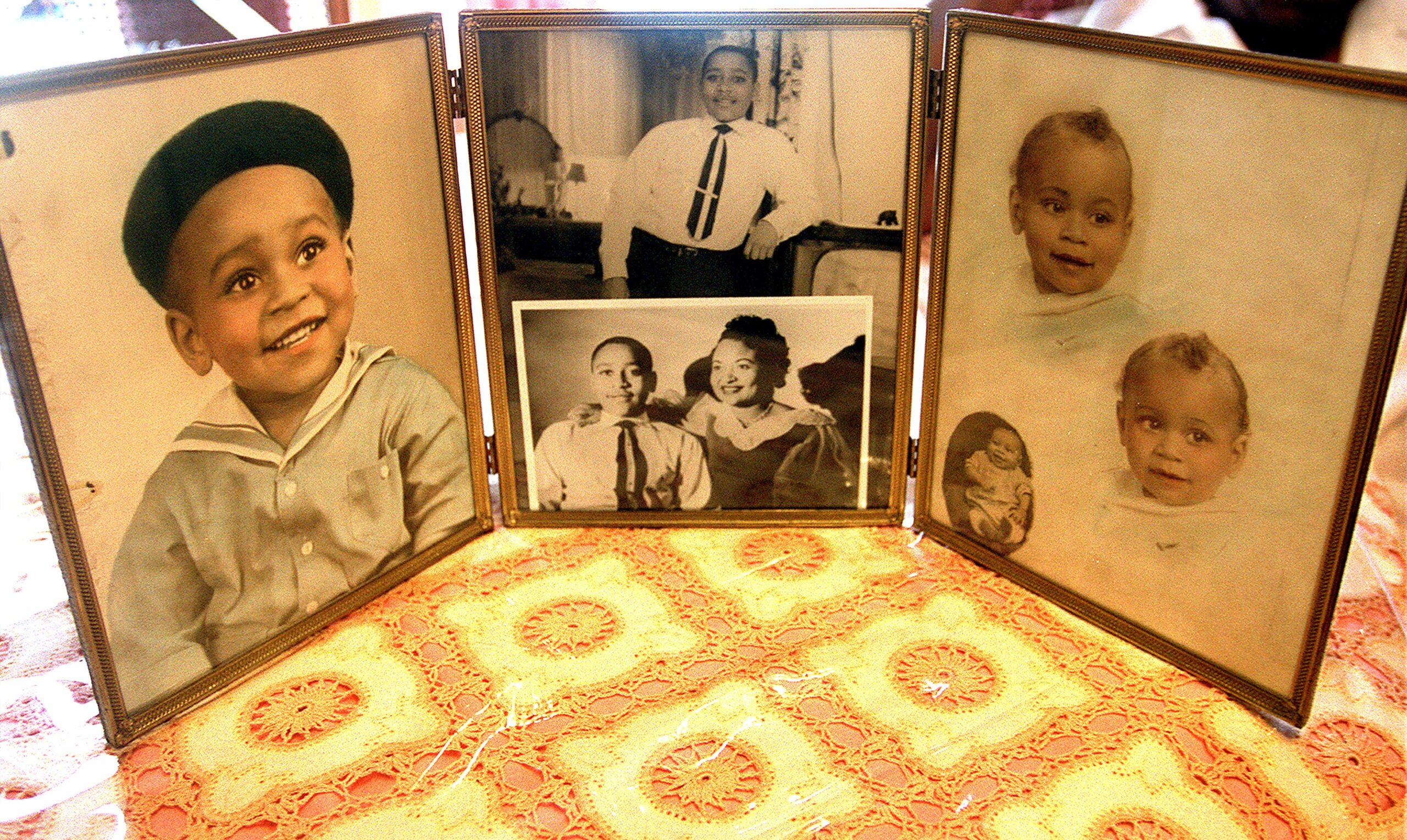
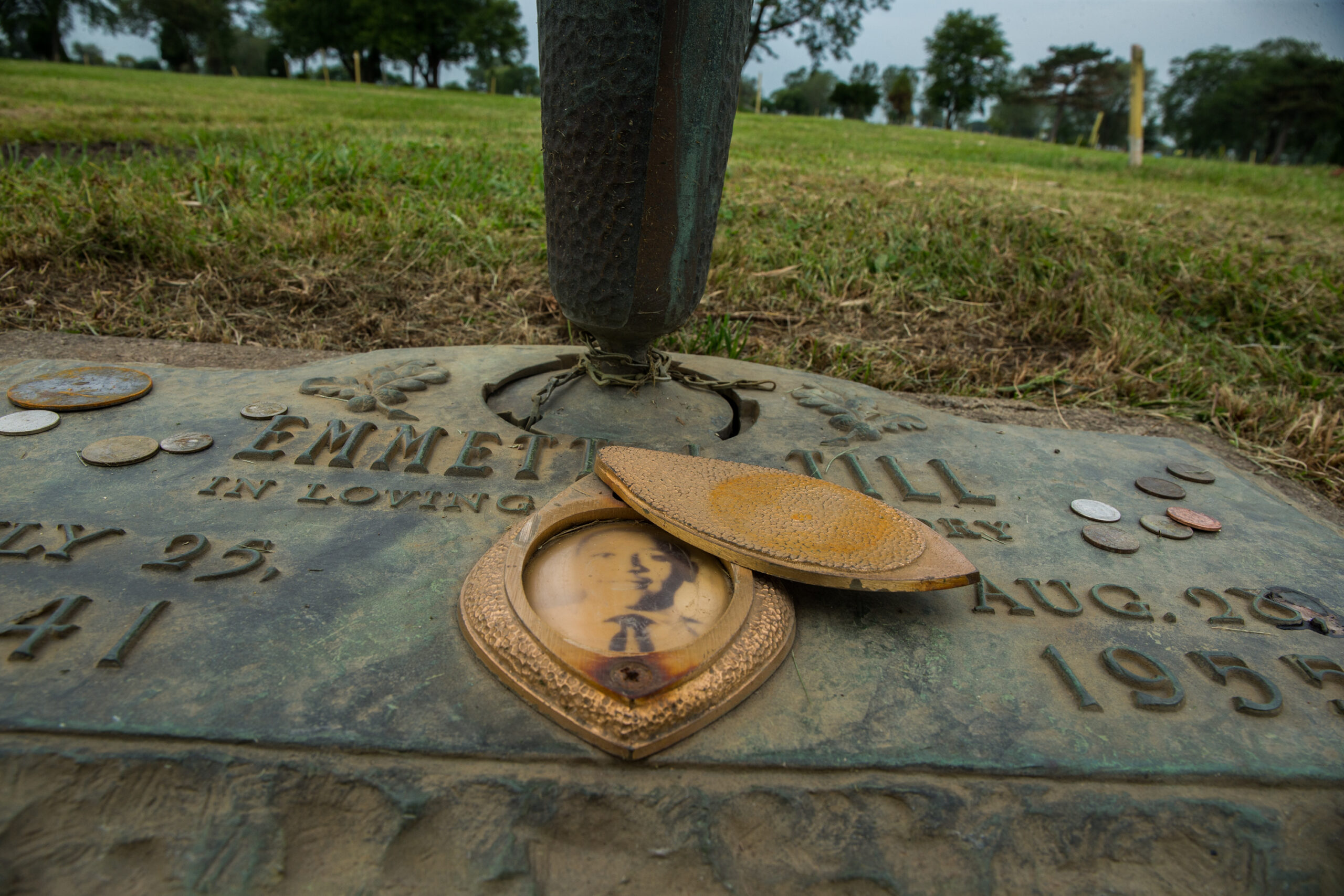
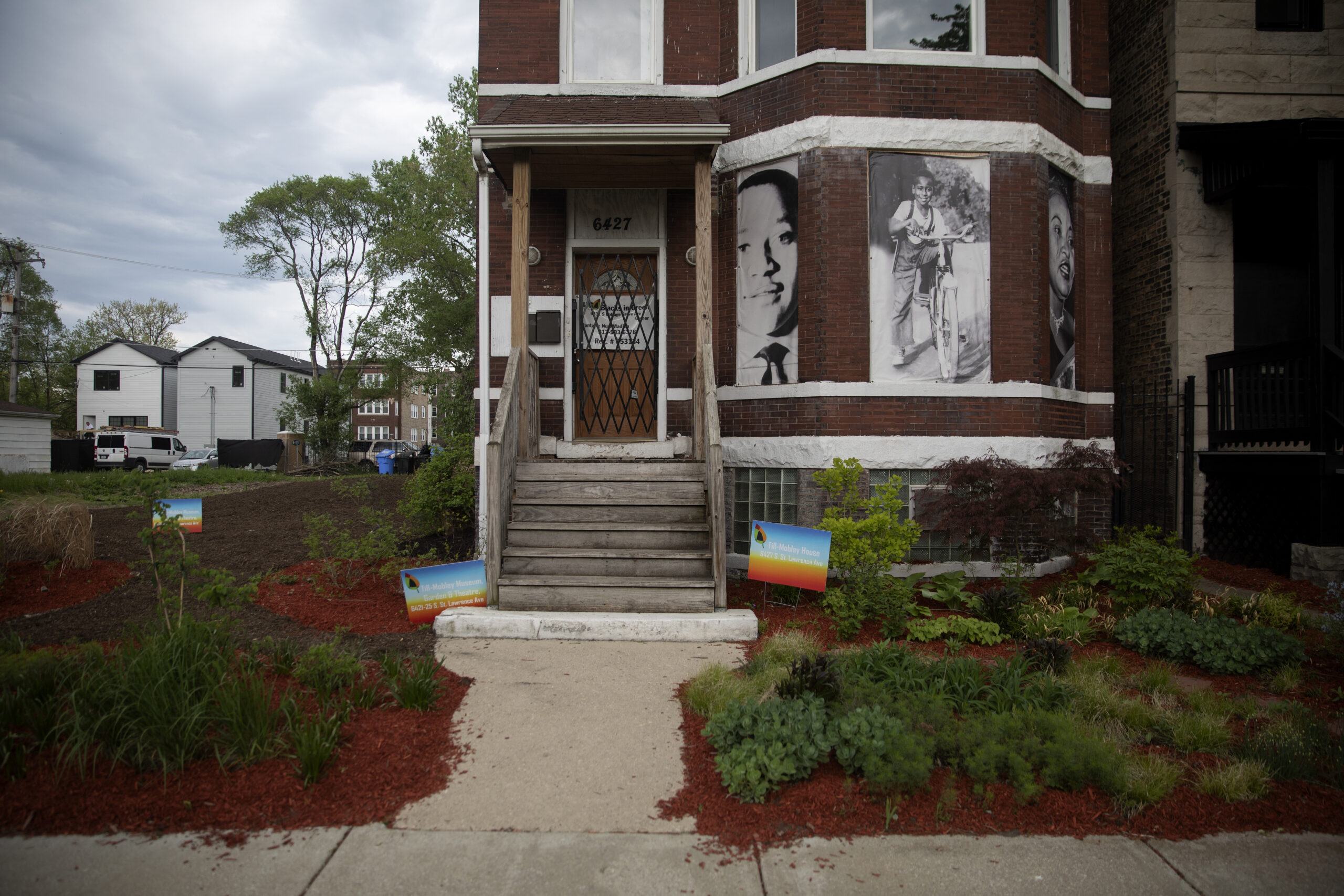
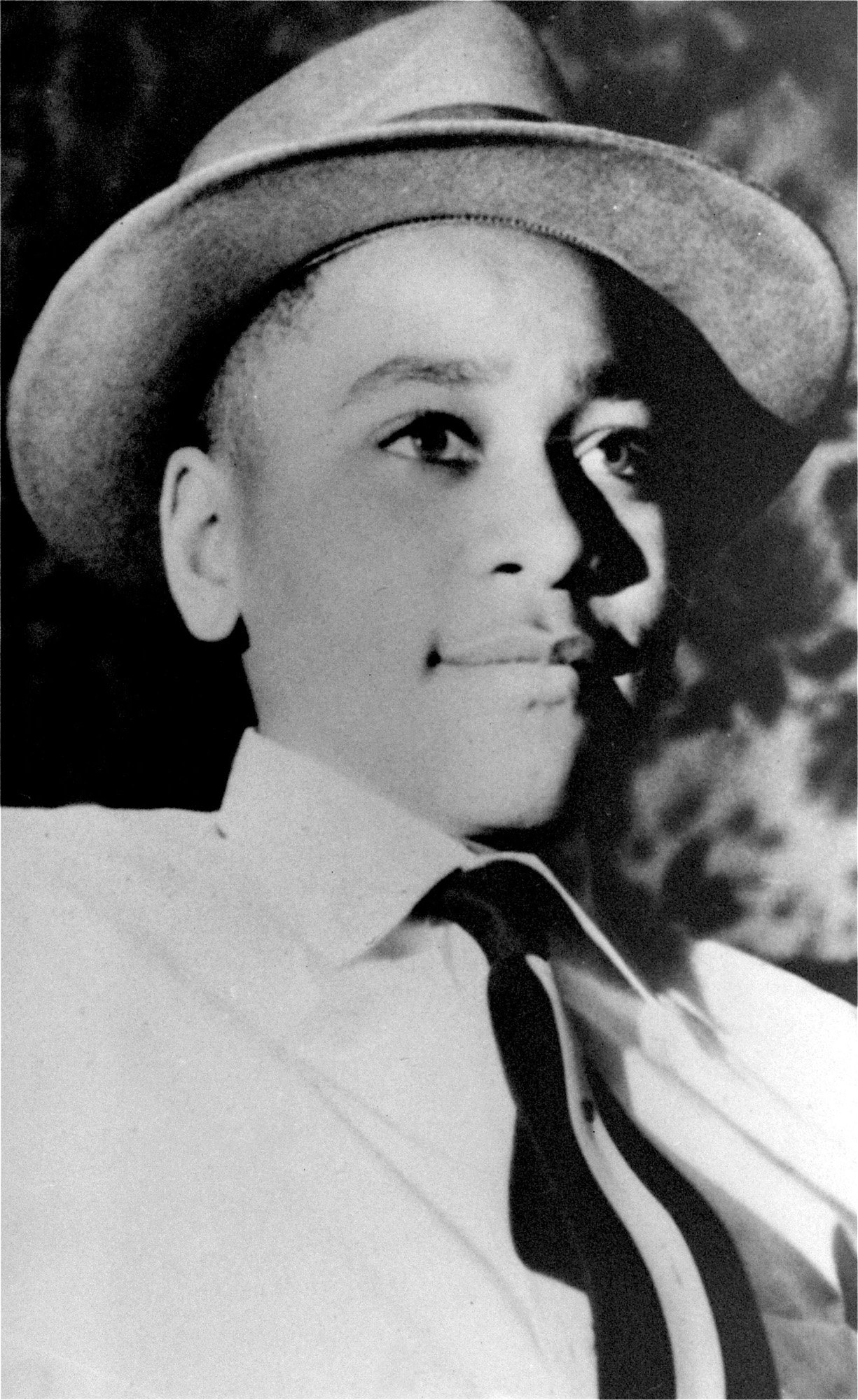
Both Mamie Till-Mobley and Emmett Till are buried in Burr Oak Cemetery. Burr Oak Cemetery was founded in 1927 as one of the few cemeteries to serve Chicago’s Black population.
“It’s just a lot of history here,” said Tammy Gibson, co-chair of the Friends of Burr Oak Cemetery, who organized the remembrance. “I have family members that are buried here, too.”

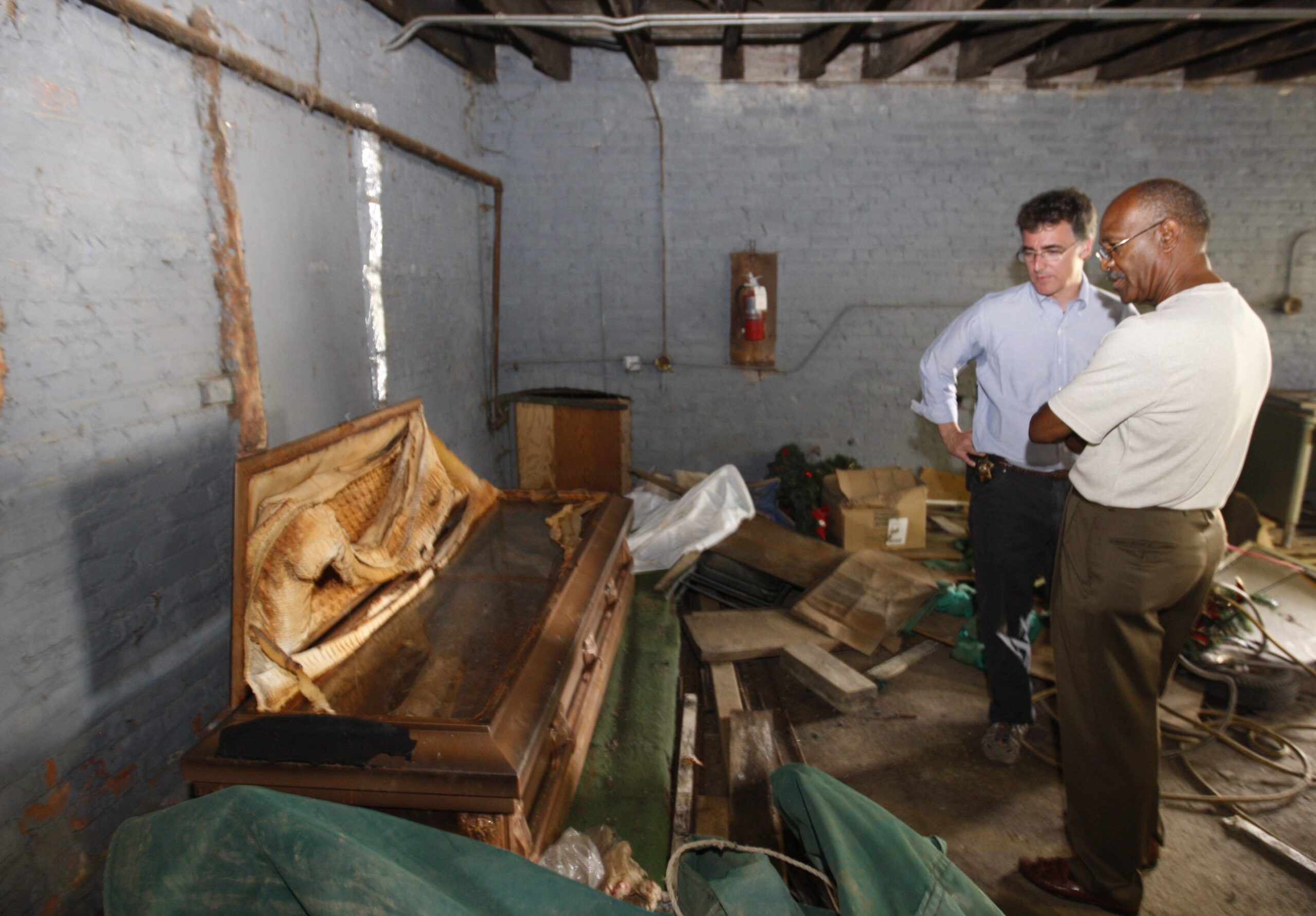
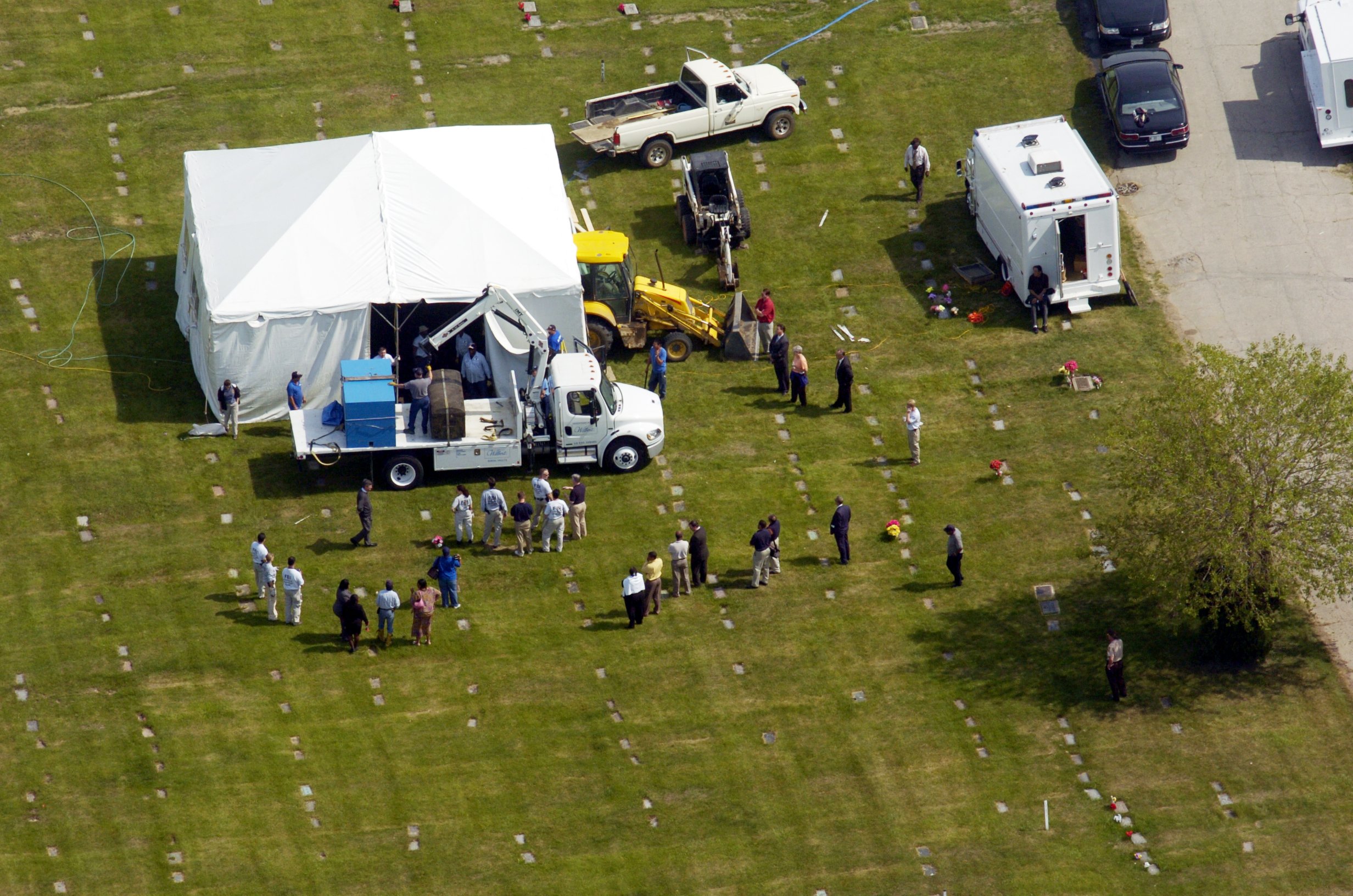
The cemetery was at the center of a major scandal in when it was uncovered in 2009 that cemetery workers had been illegally digging up and moving bodies to resell the plots.
Now, Gibson said, efforts are underway to have the cemetery registered as a national historic site. Besides the Tills, other prominent African Americans buried in the cemetery include singer Dinah Washington, the Rev. Clay Evans and businesswoman Annie Turnbo Malone.
“We’re going to try to see if we can get better markers, and just clean up, and just make sure that this place is beautiful like it was when it was founded,” Gibson said.
elewis@chicagotribune.com