
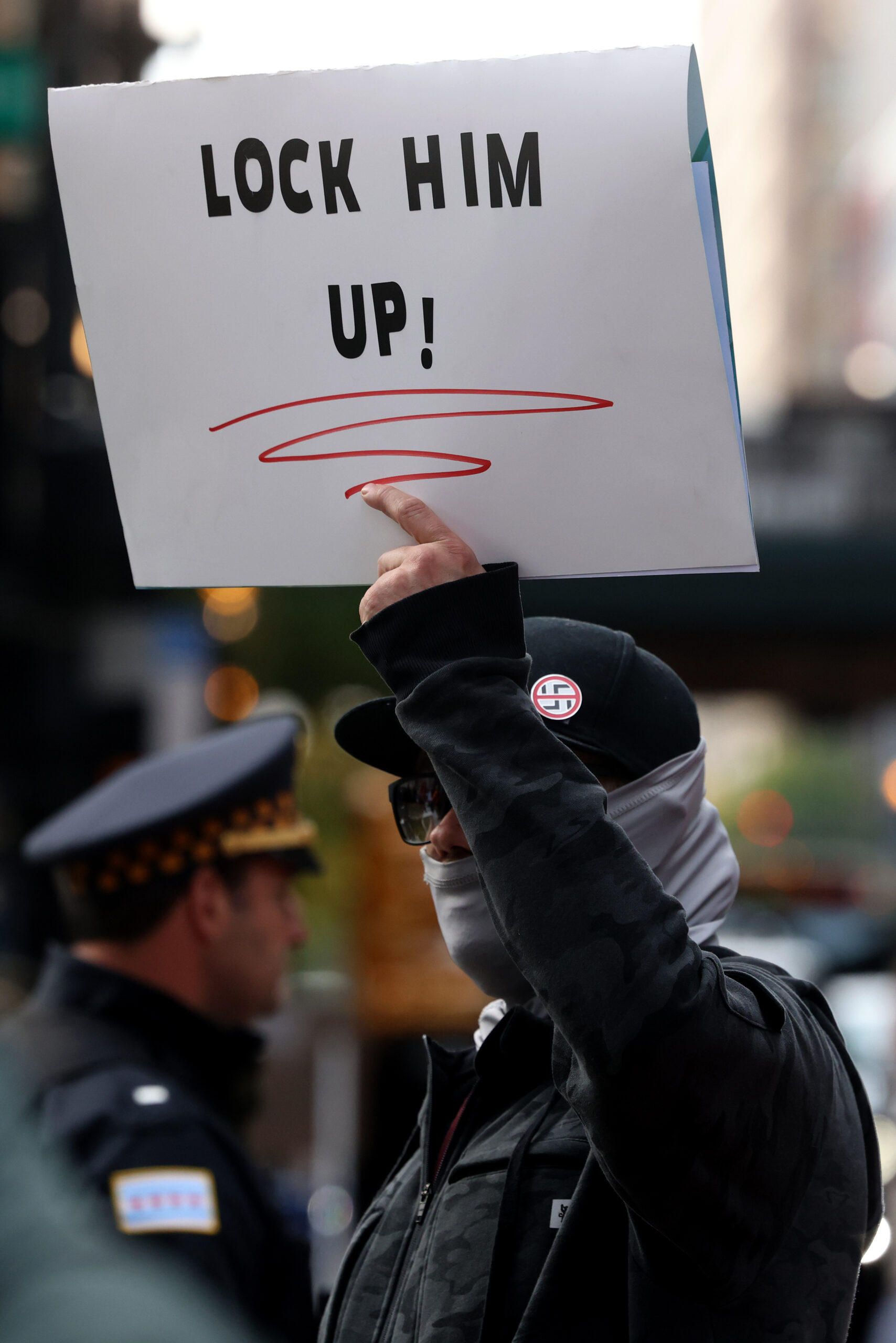
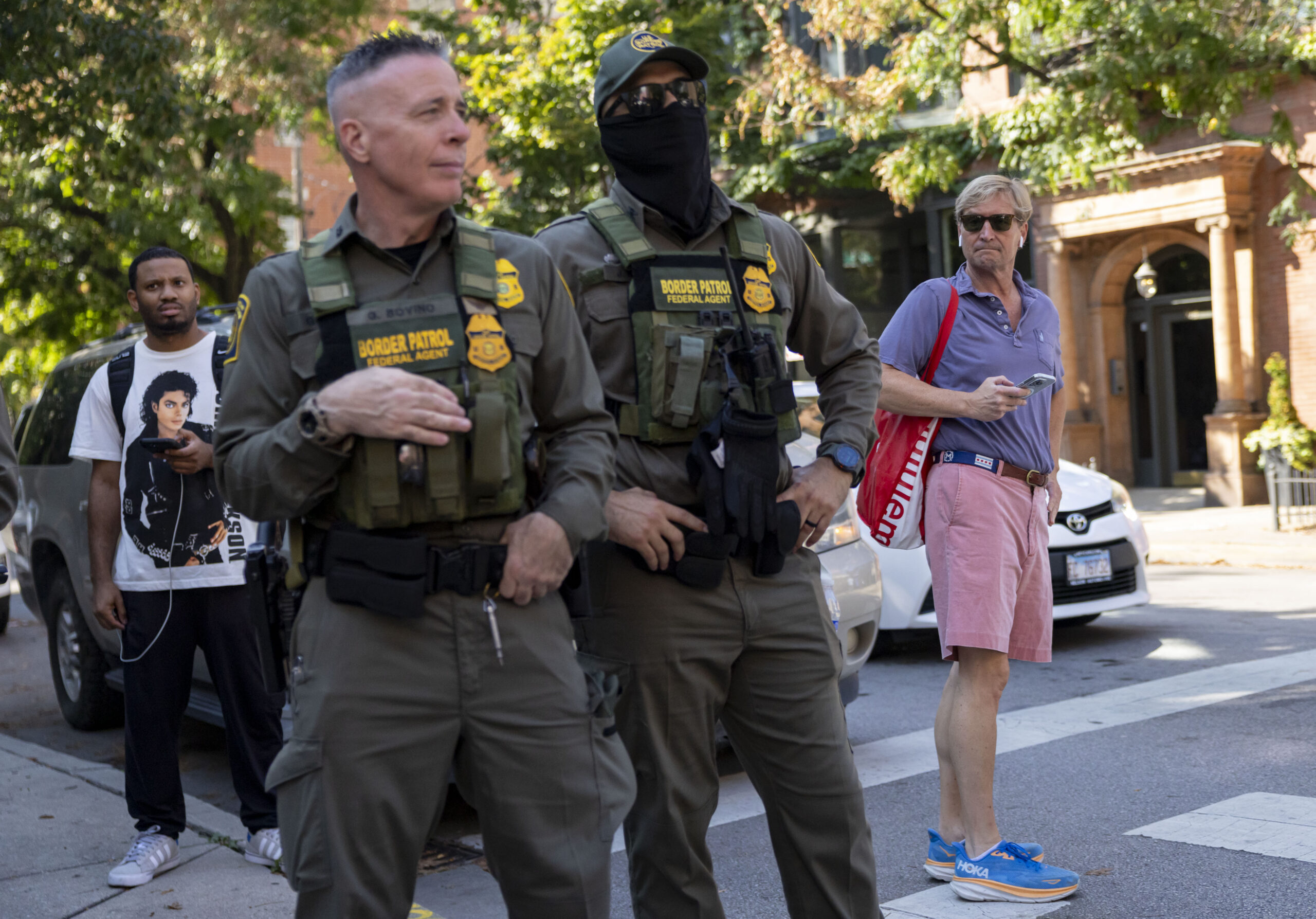
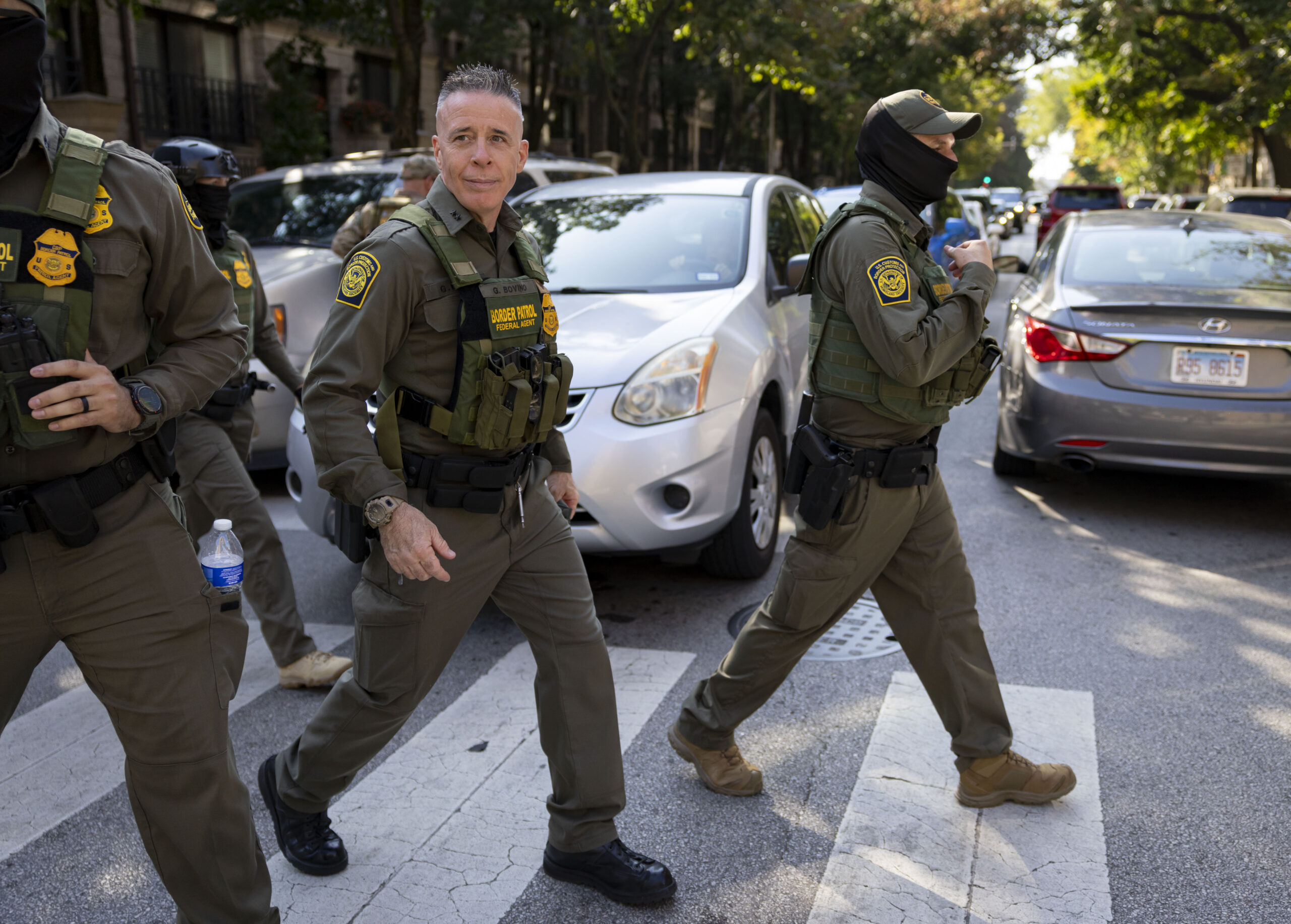
WASHINGTON — At a speech just blocks from the White House Wednesday, Chicago Mayor Brandon Johnson said he would prepare the city for the future prosecution of Border Patrol Cmdr. Greg Bovino for creating “chaos” during the Trump administration’s surge of immigration agents in Chicago last year.
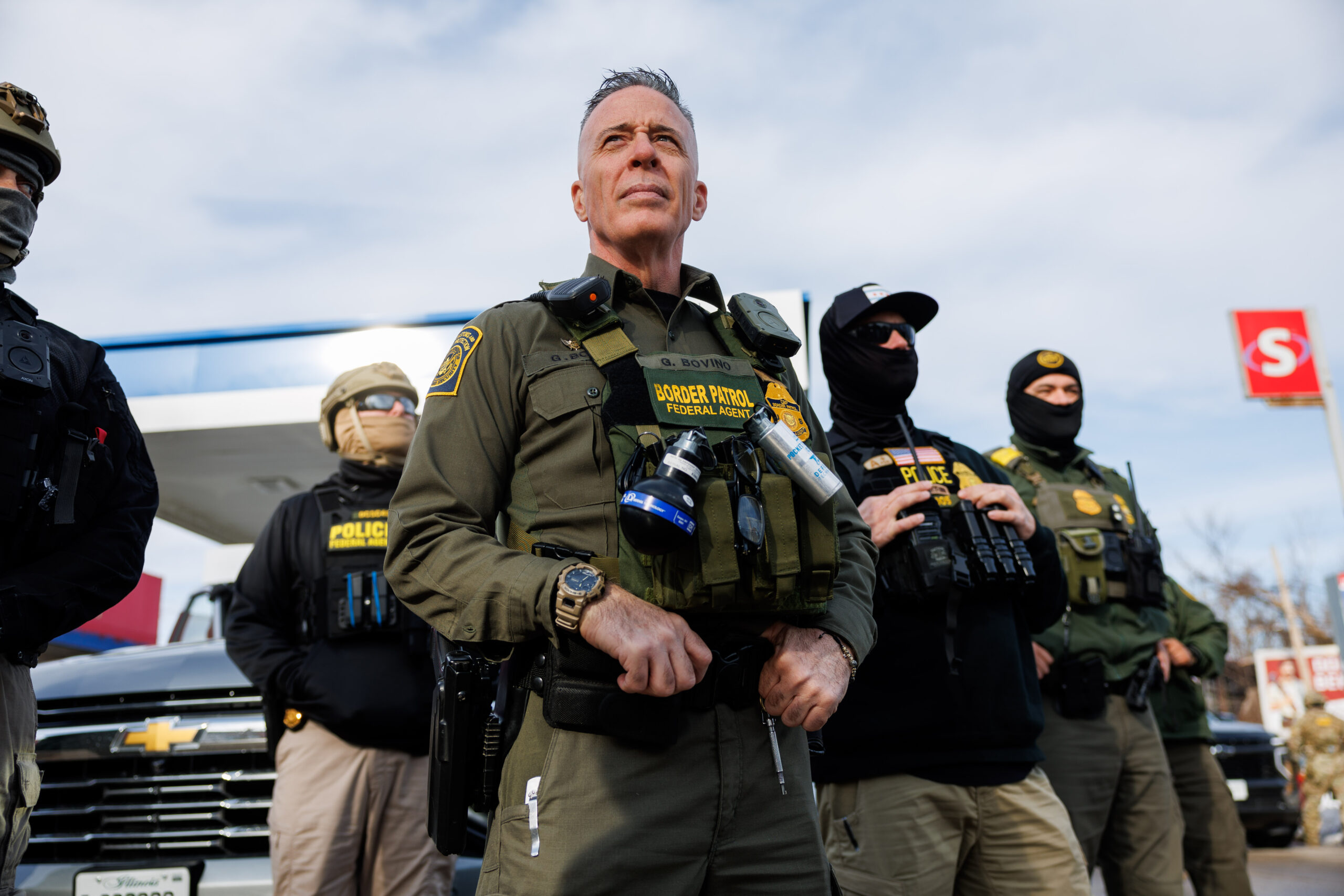
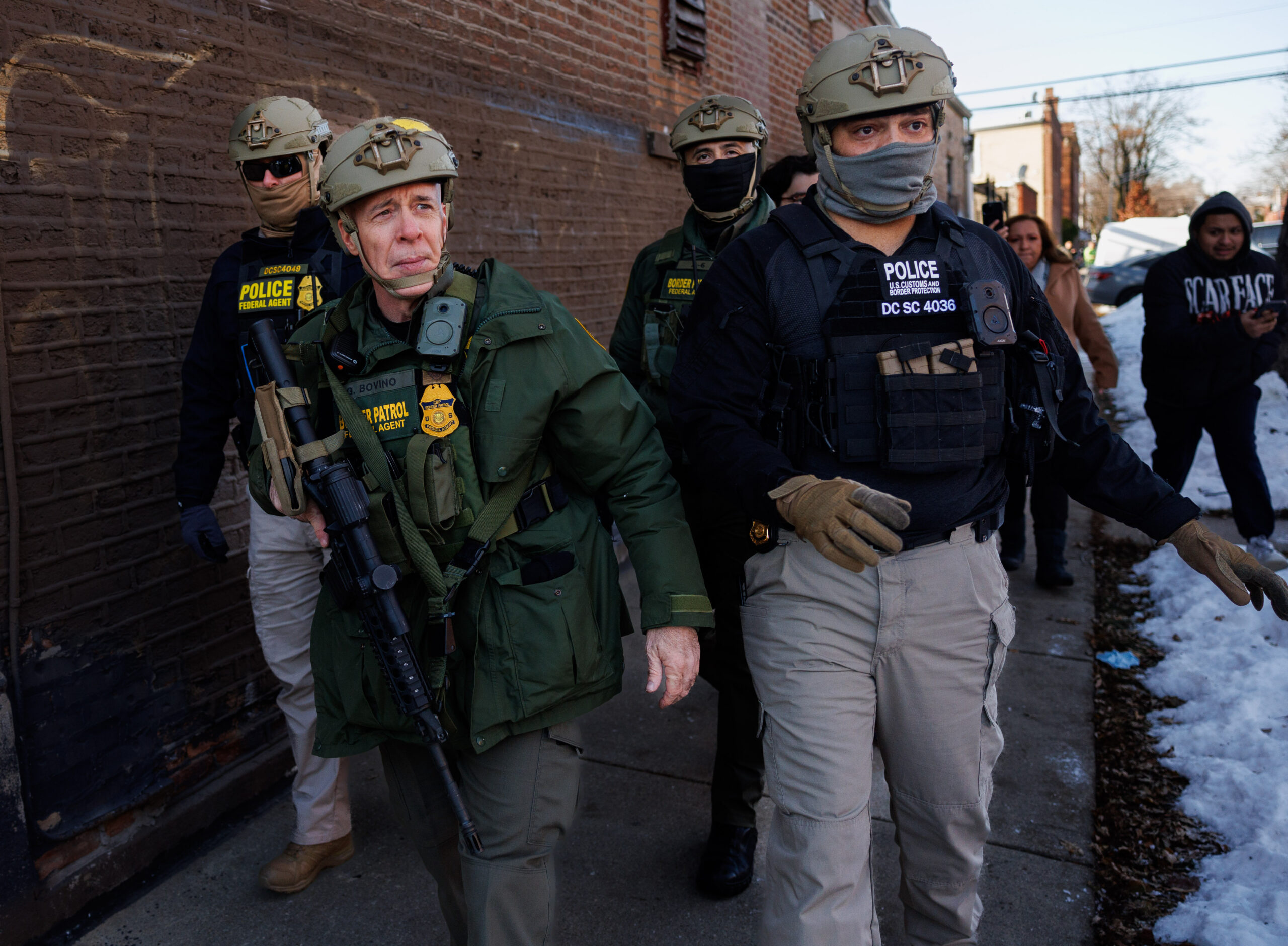
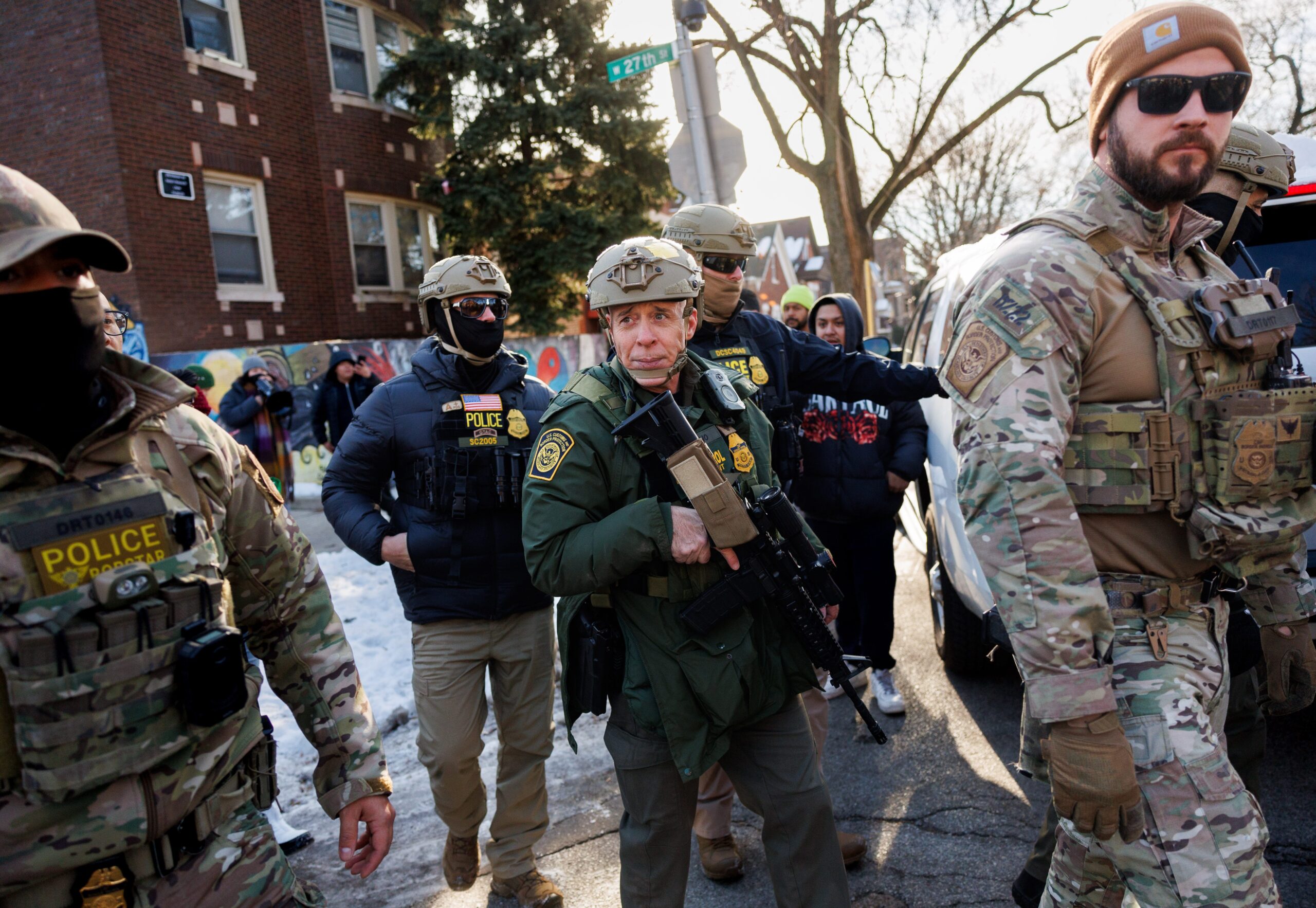
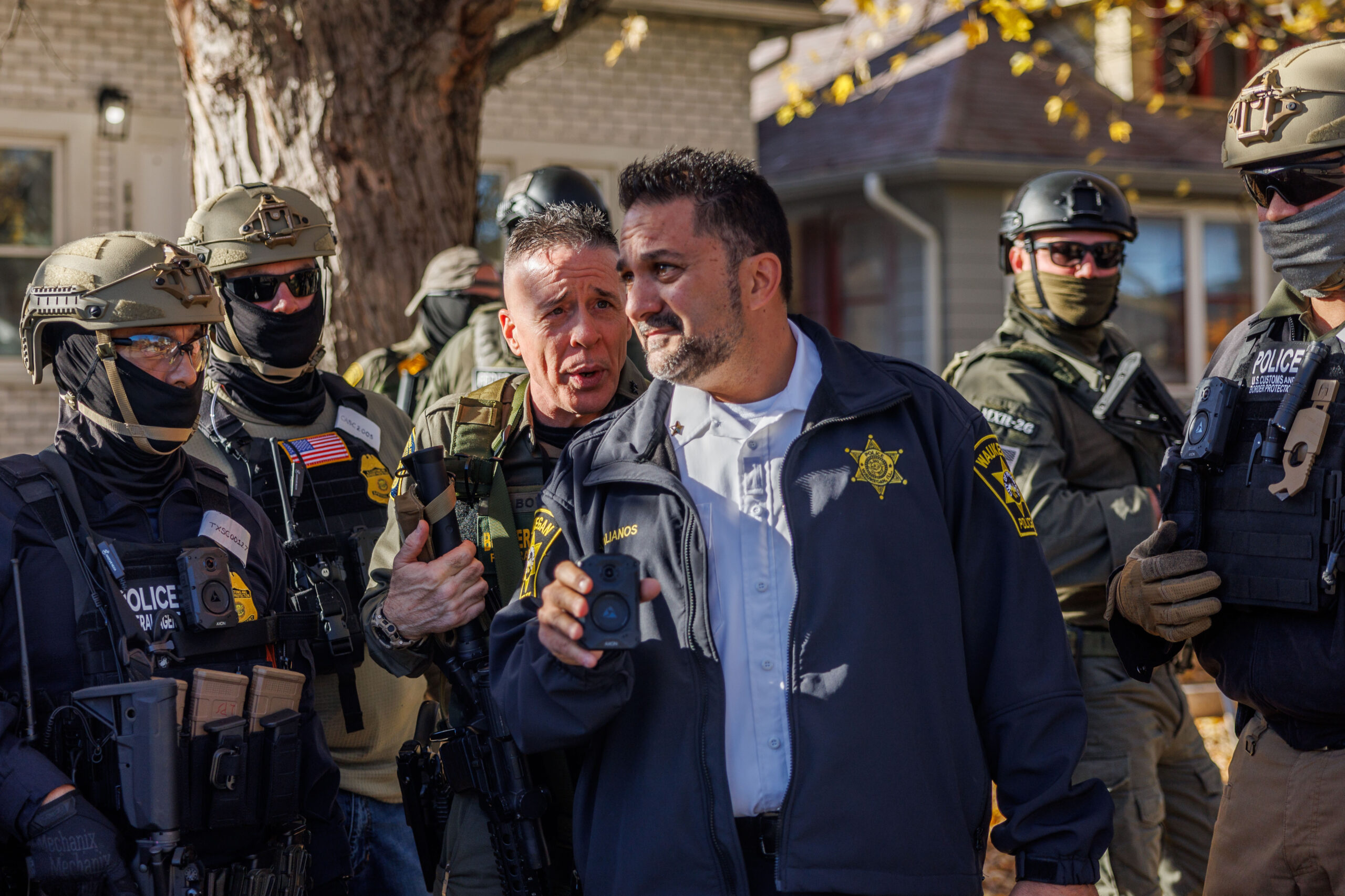
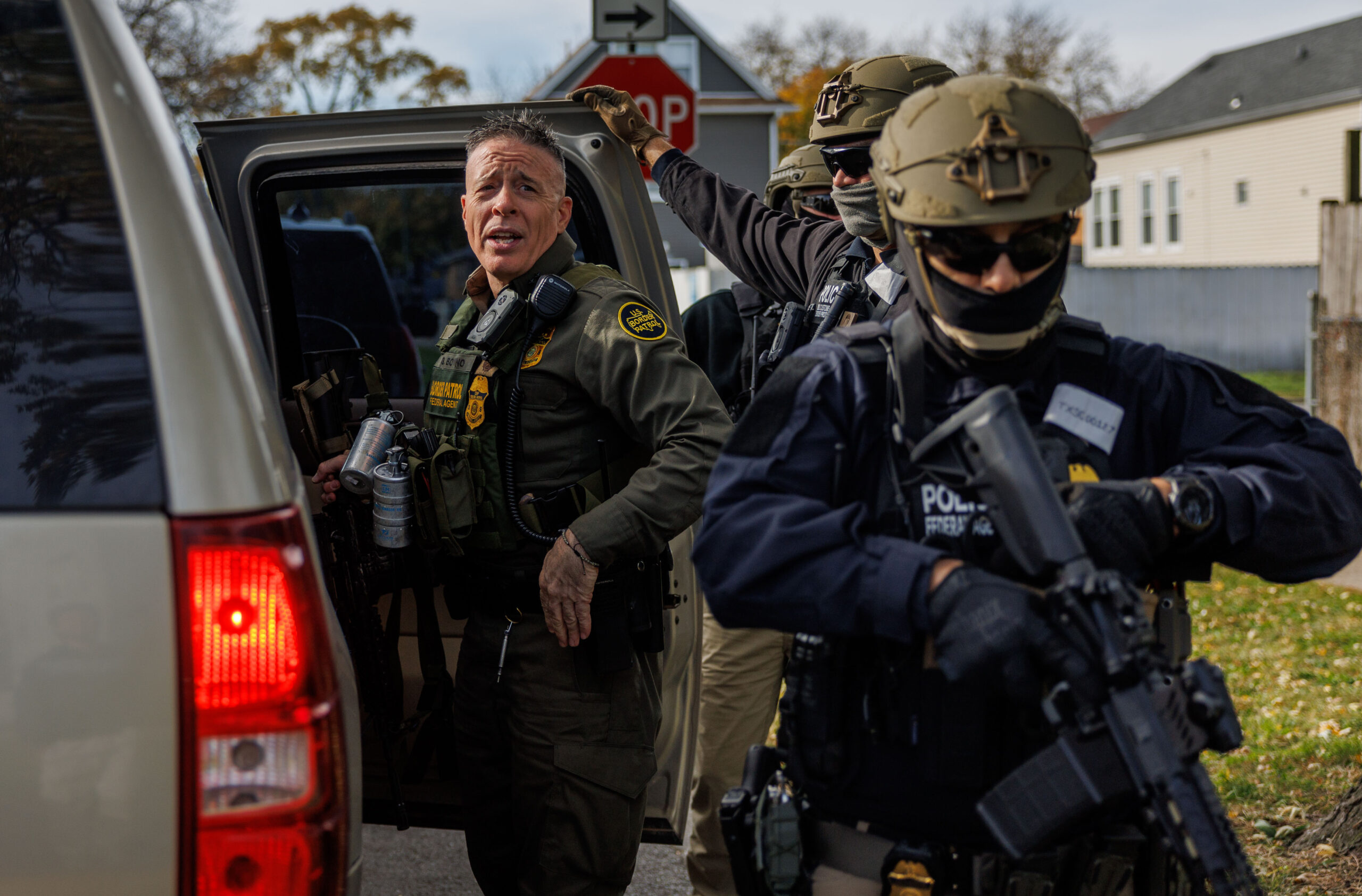
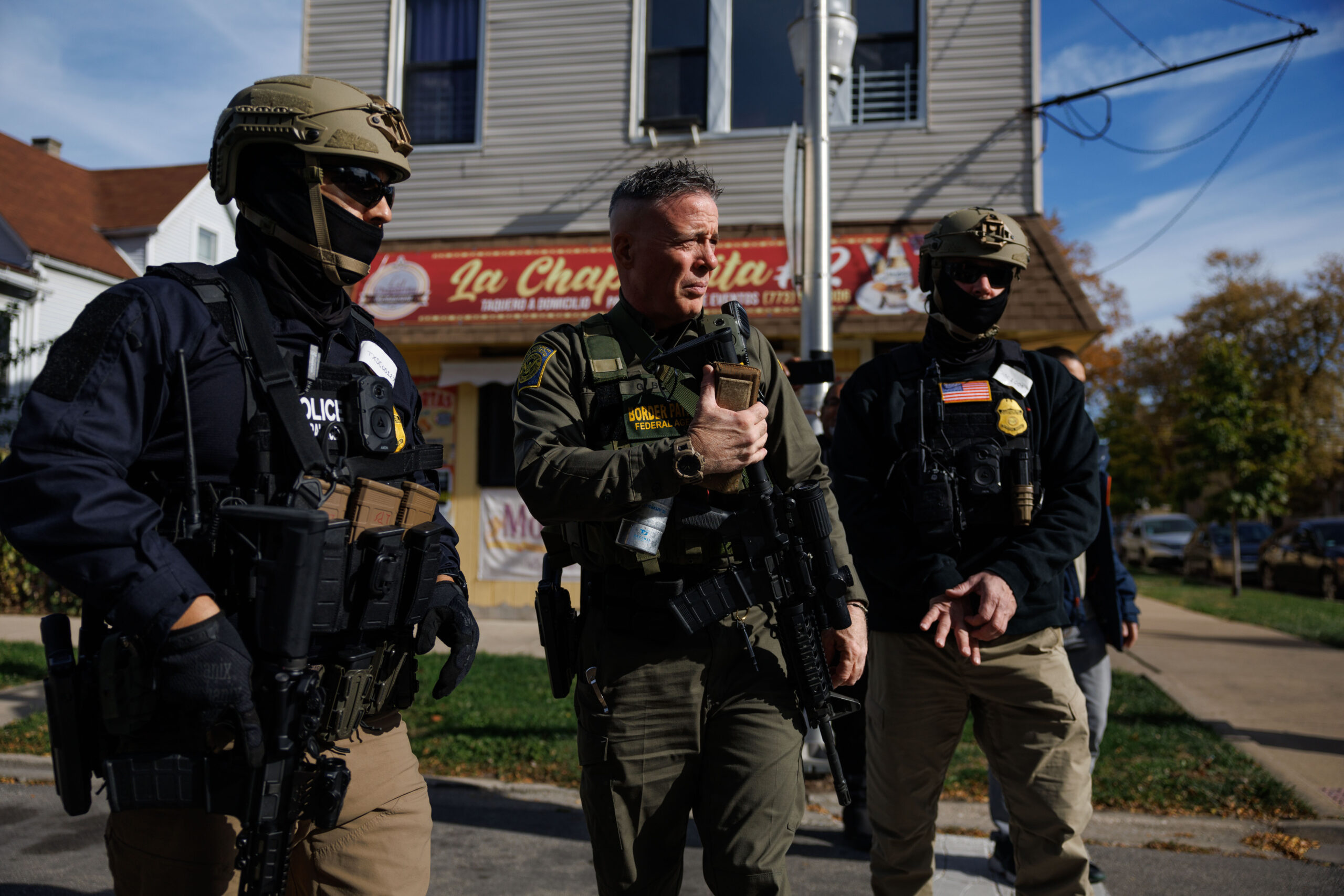
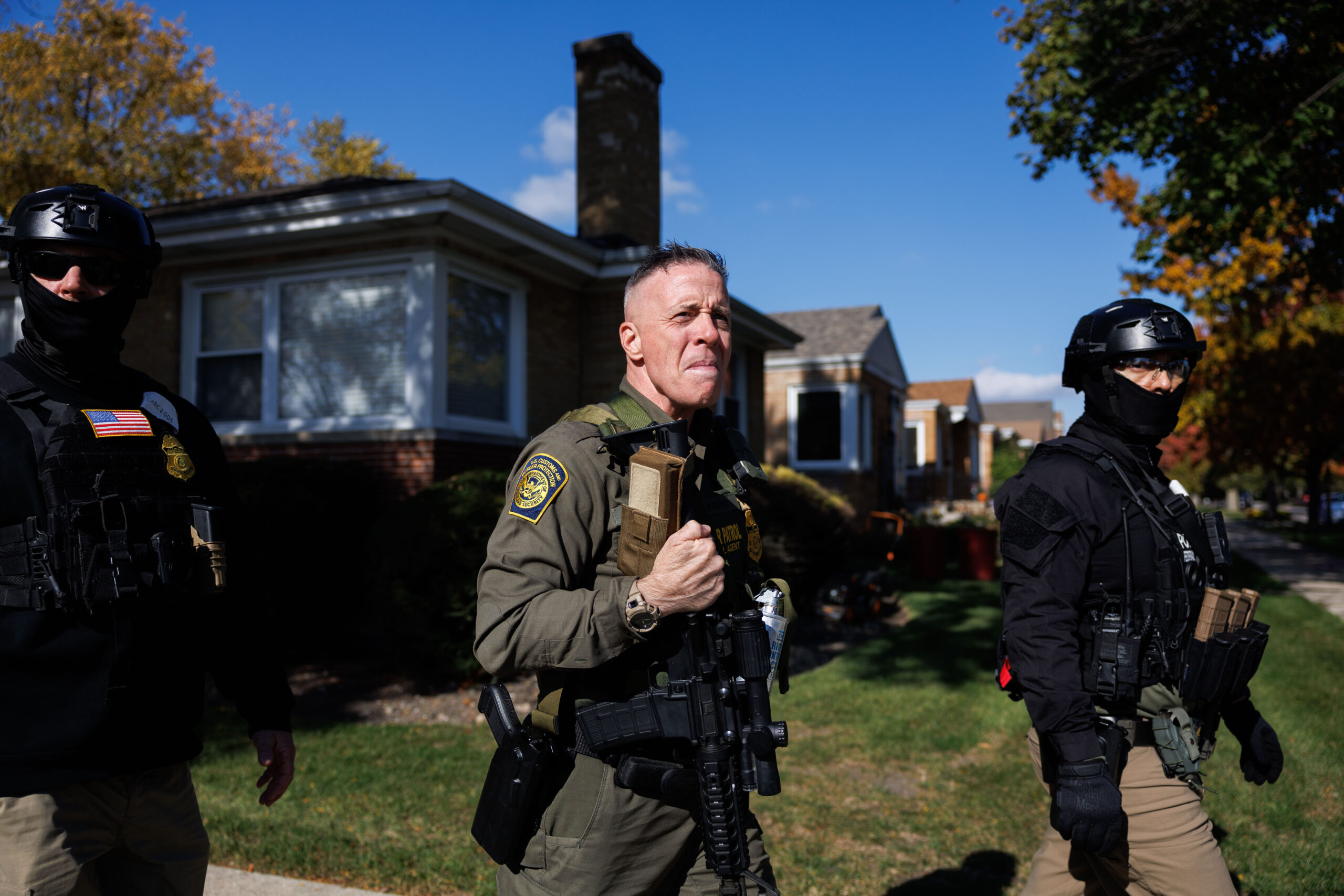
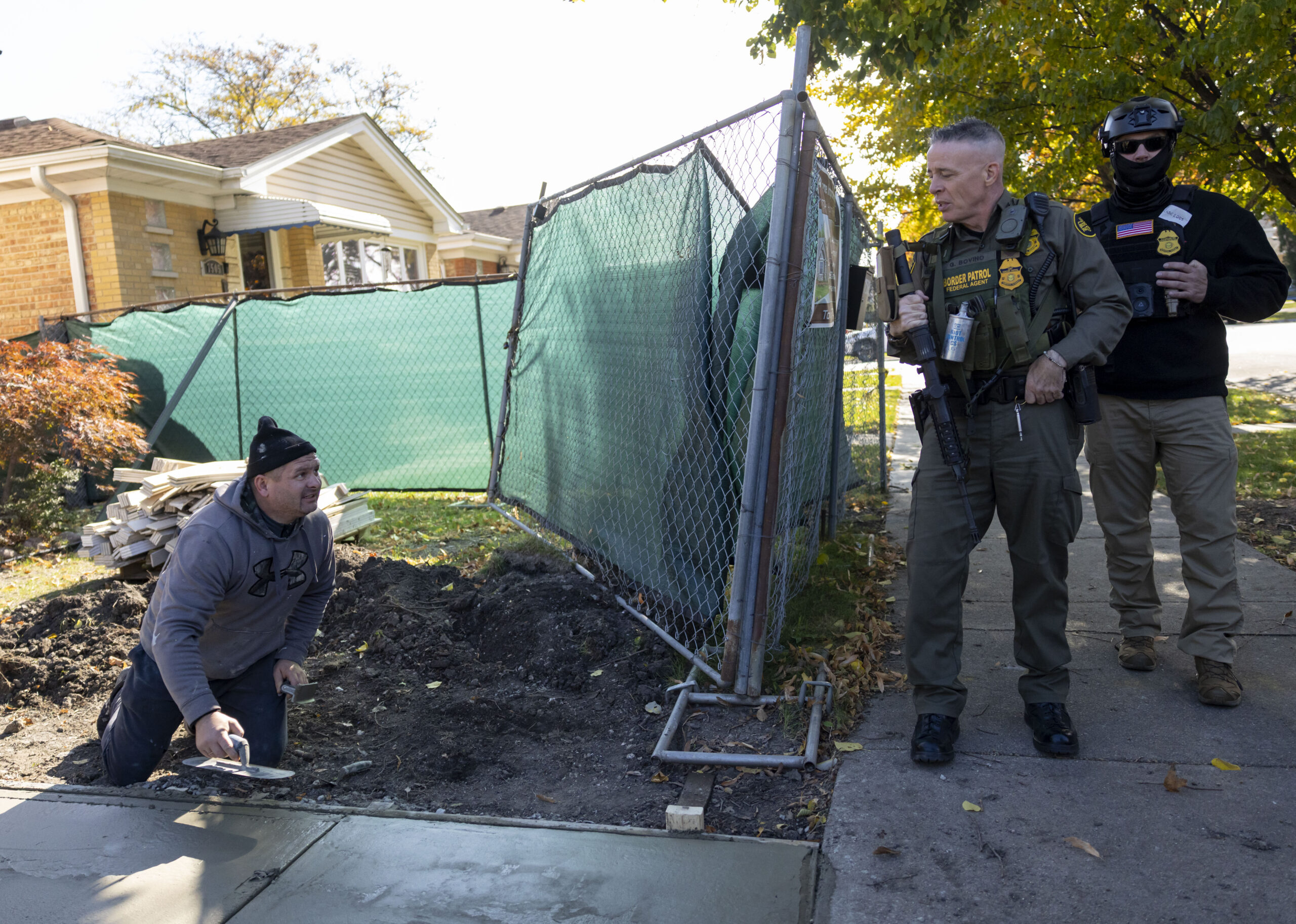
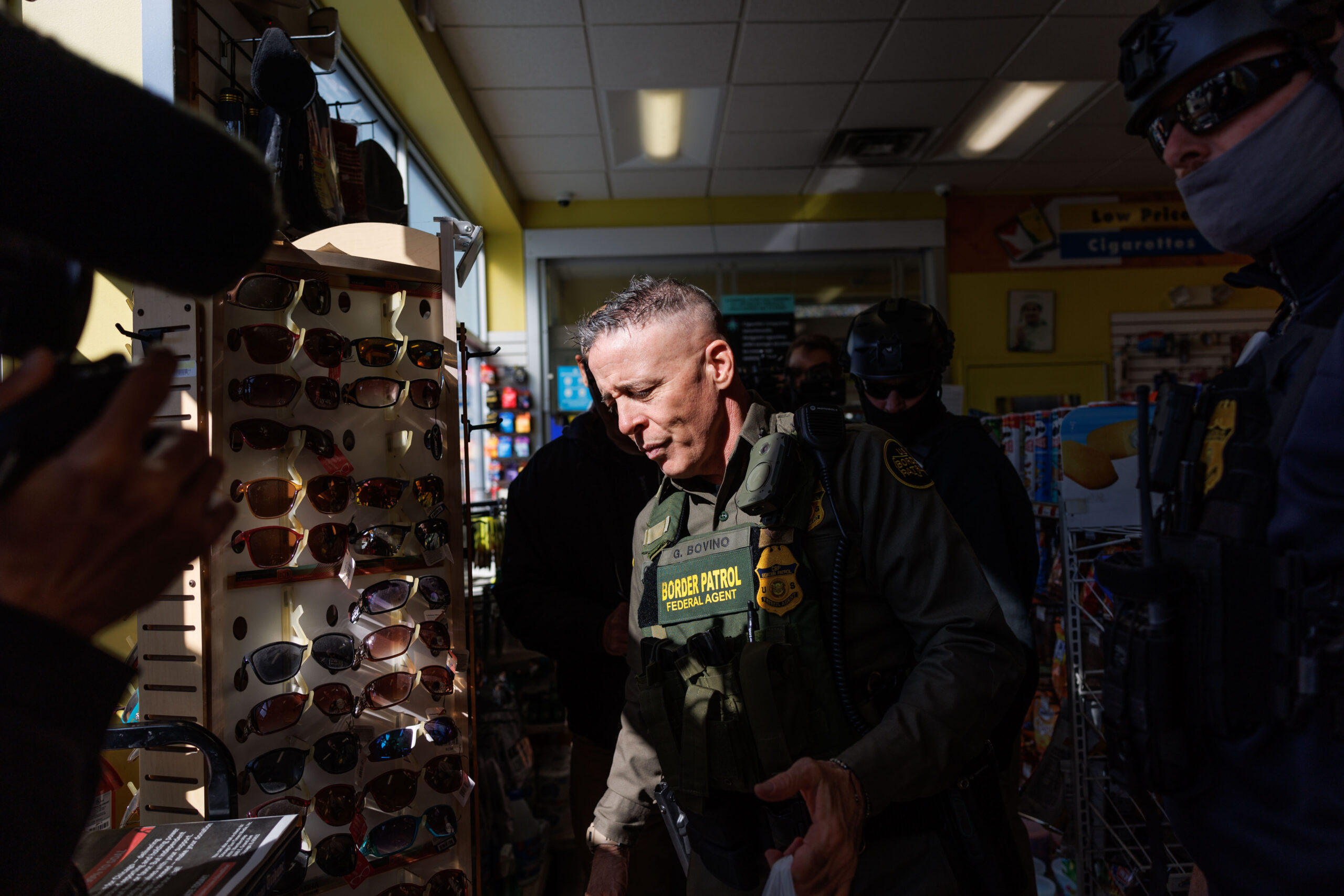
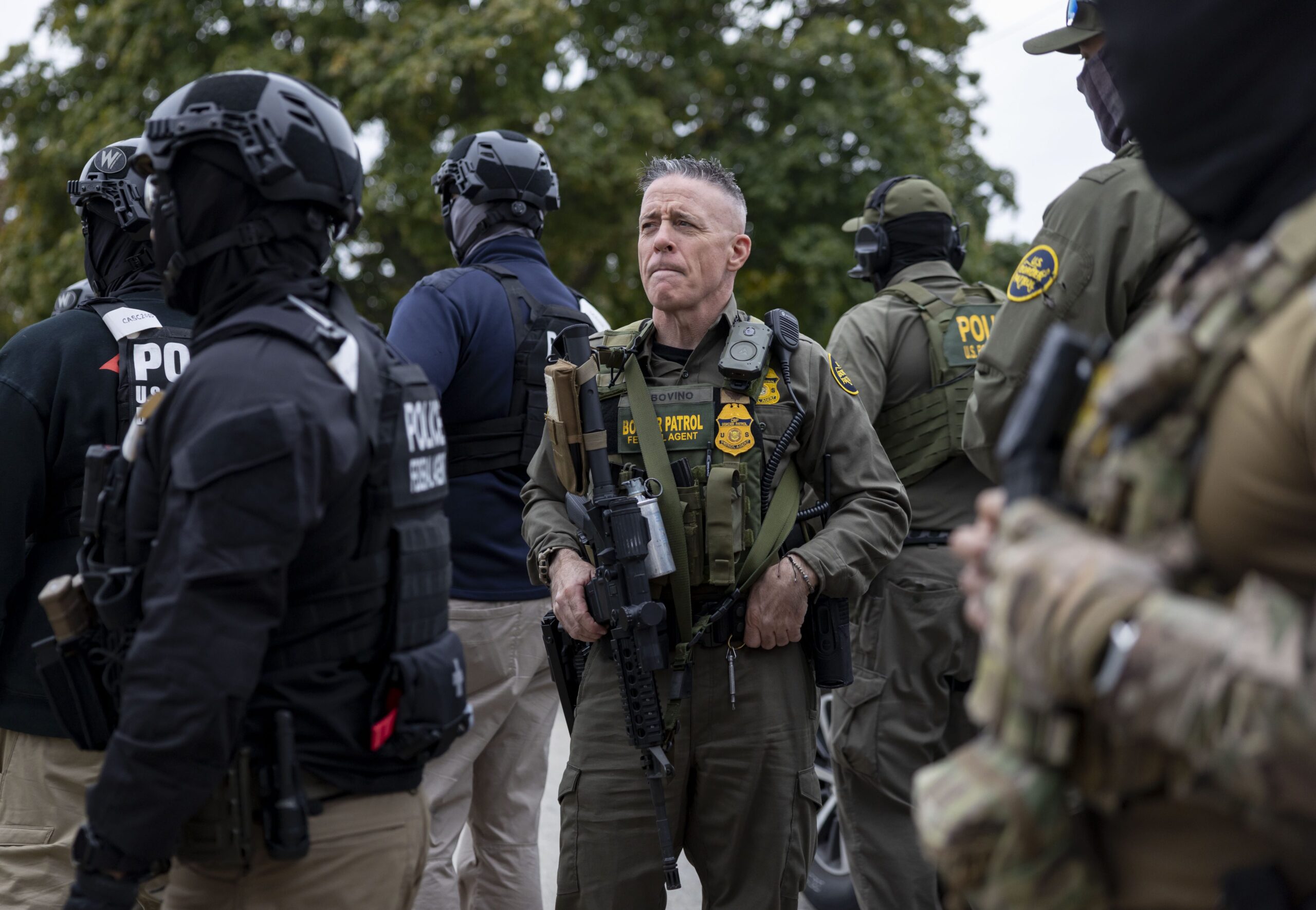
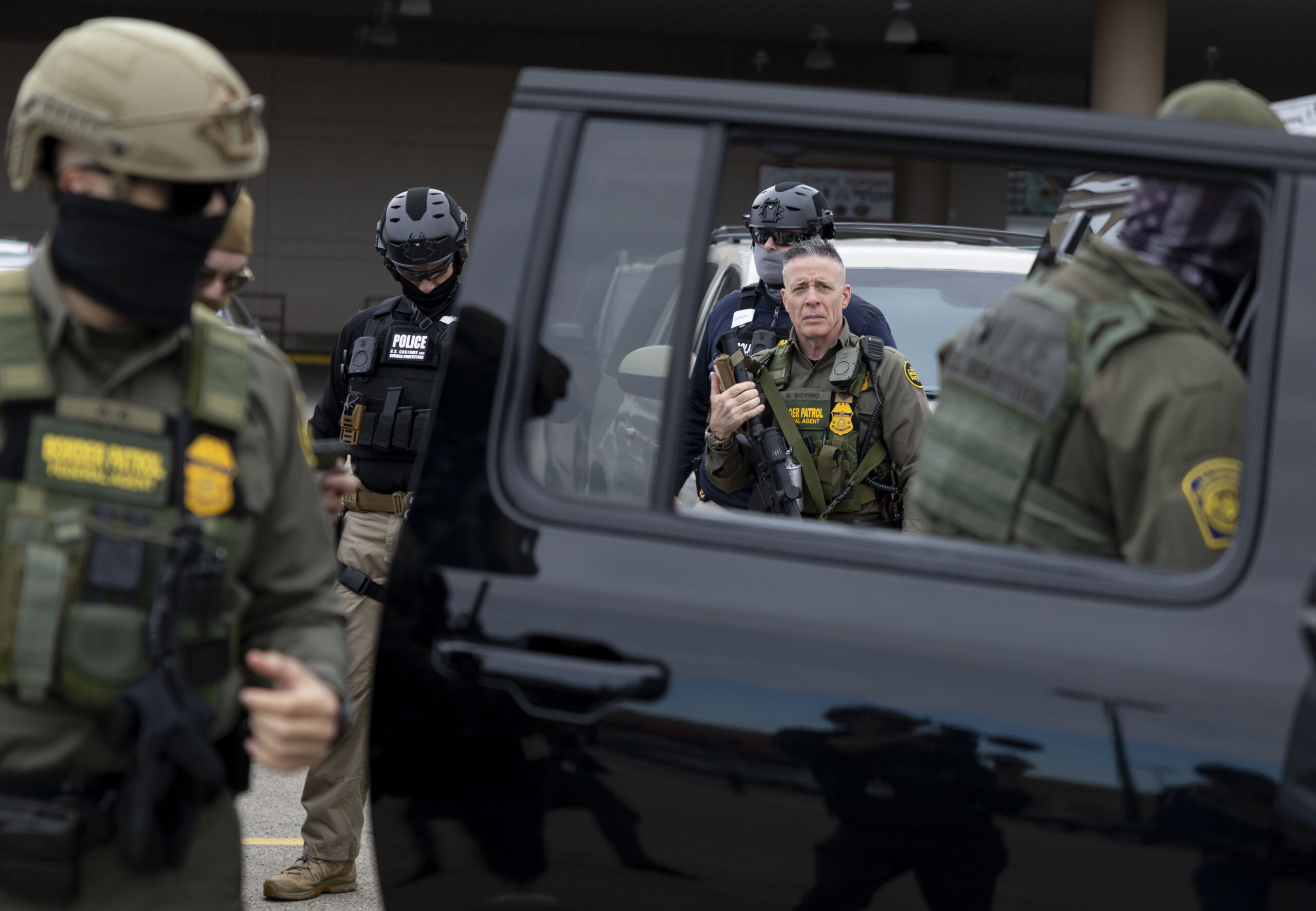
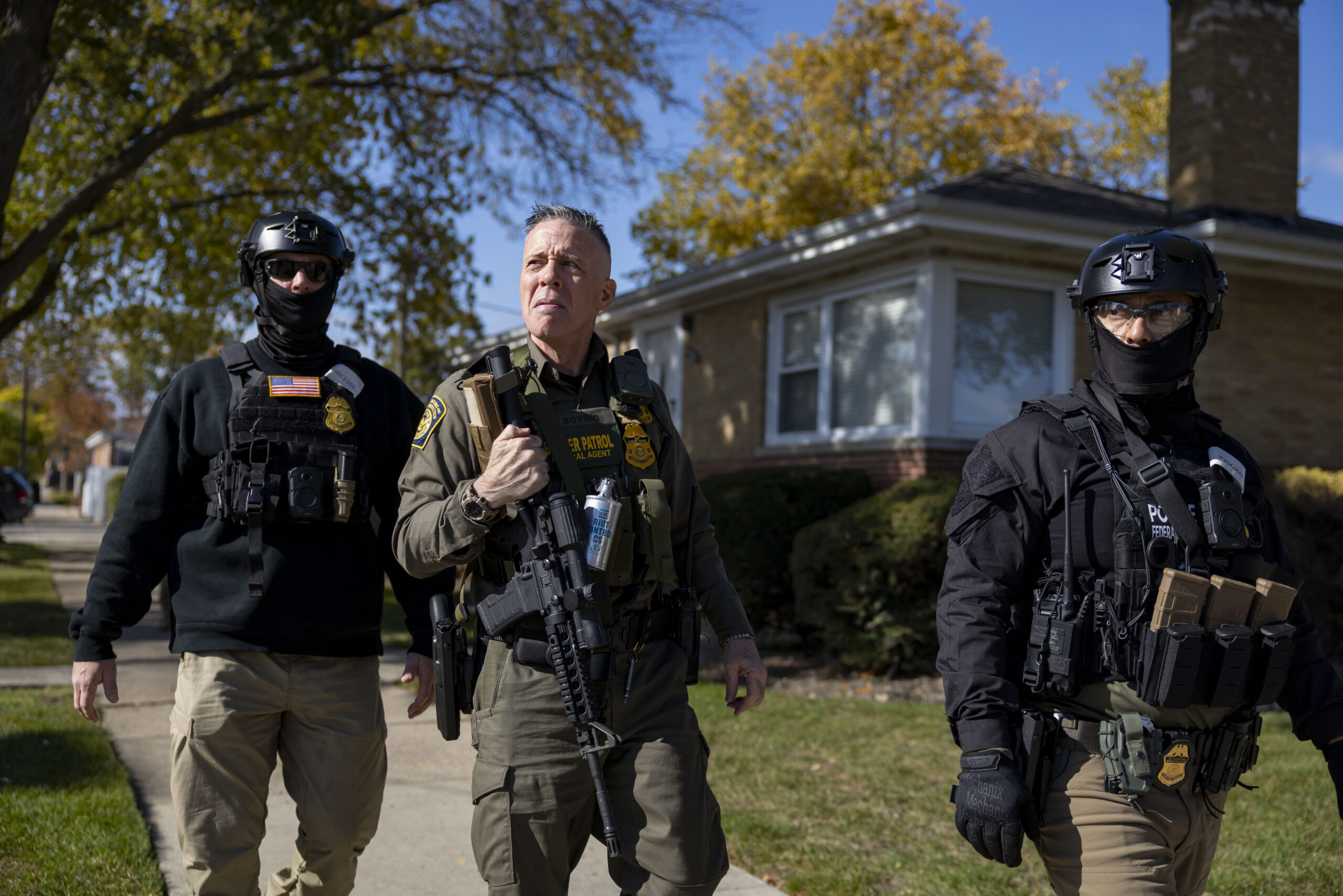
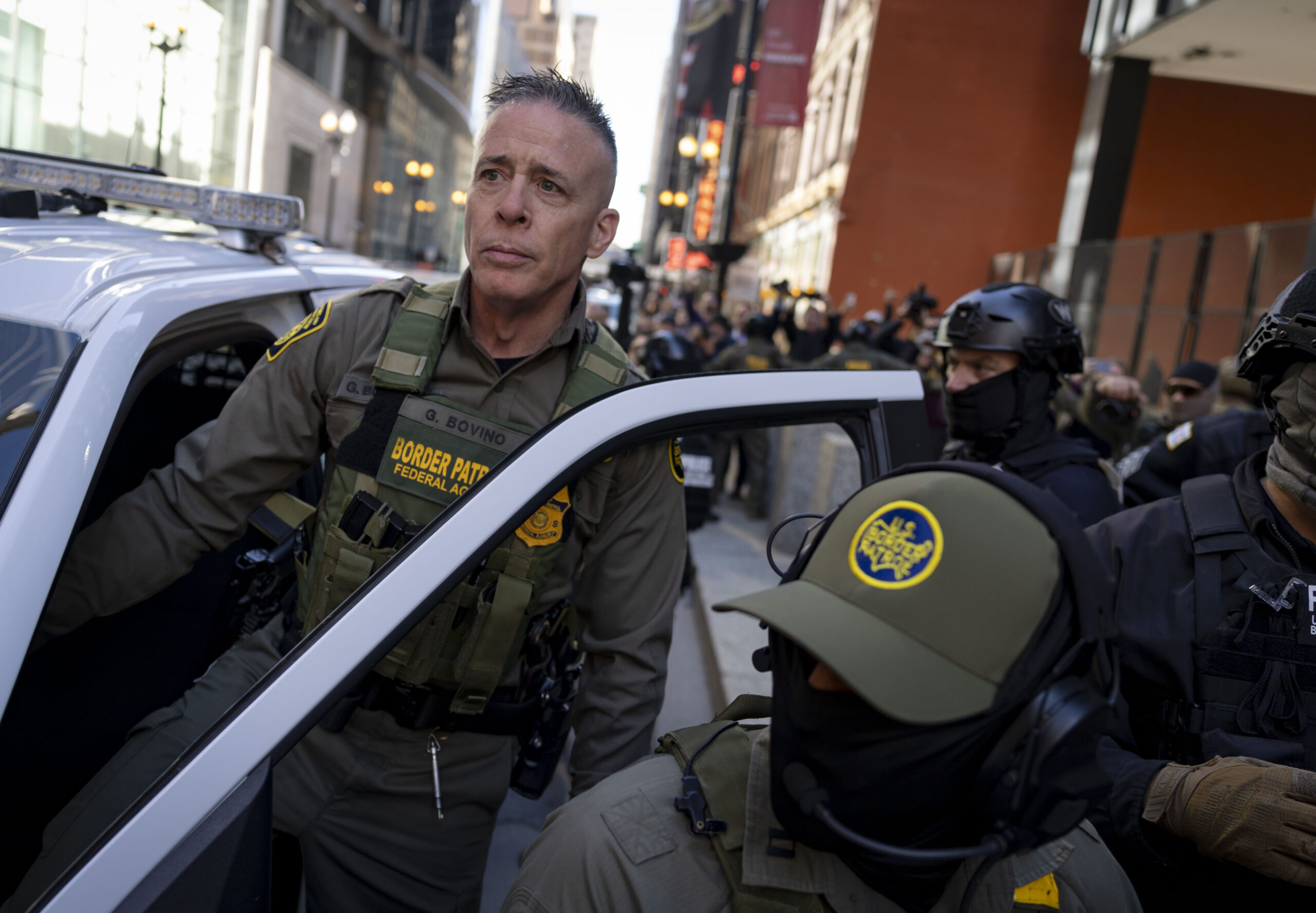
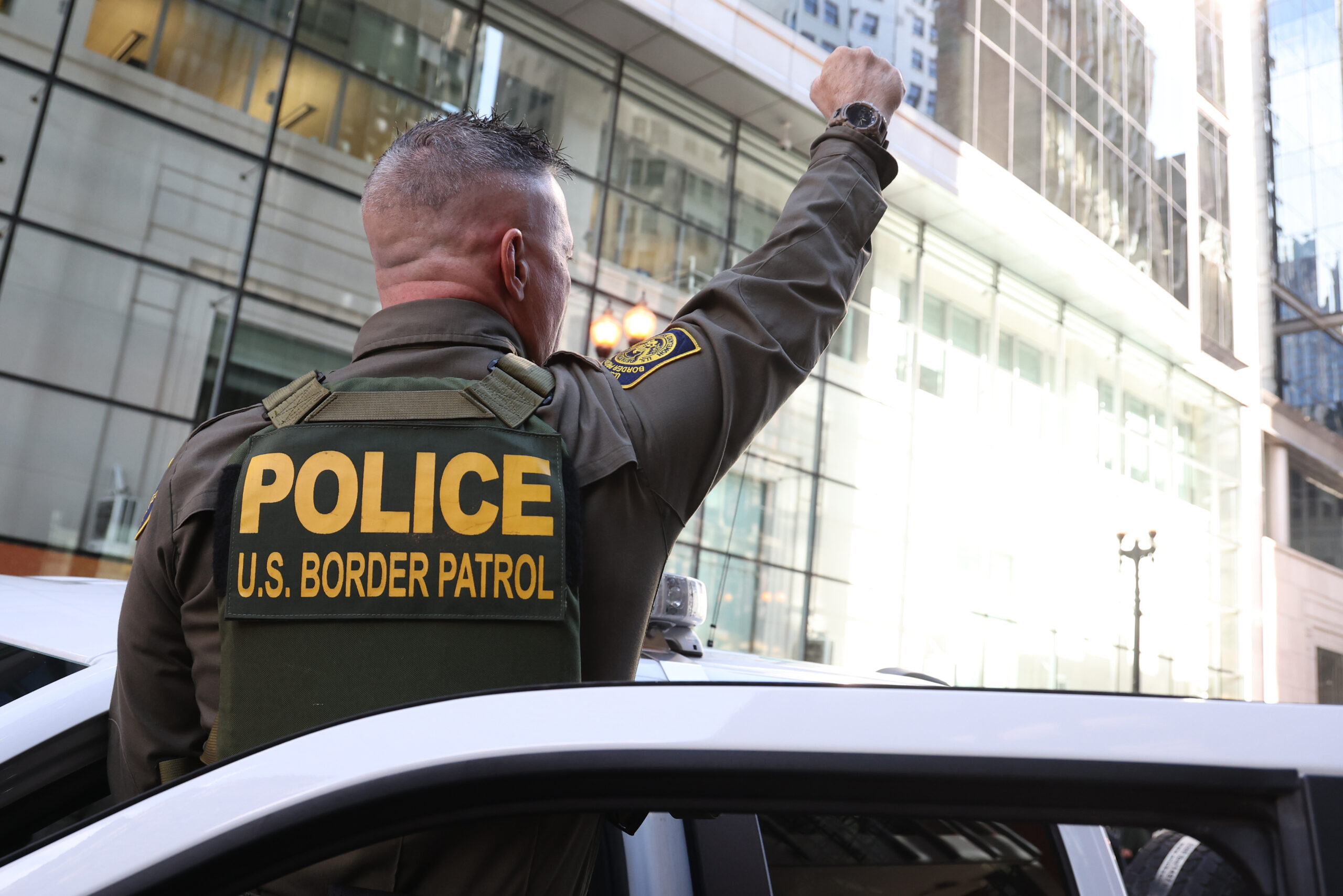
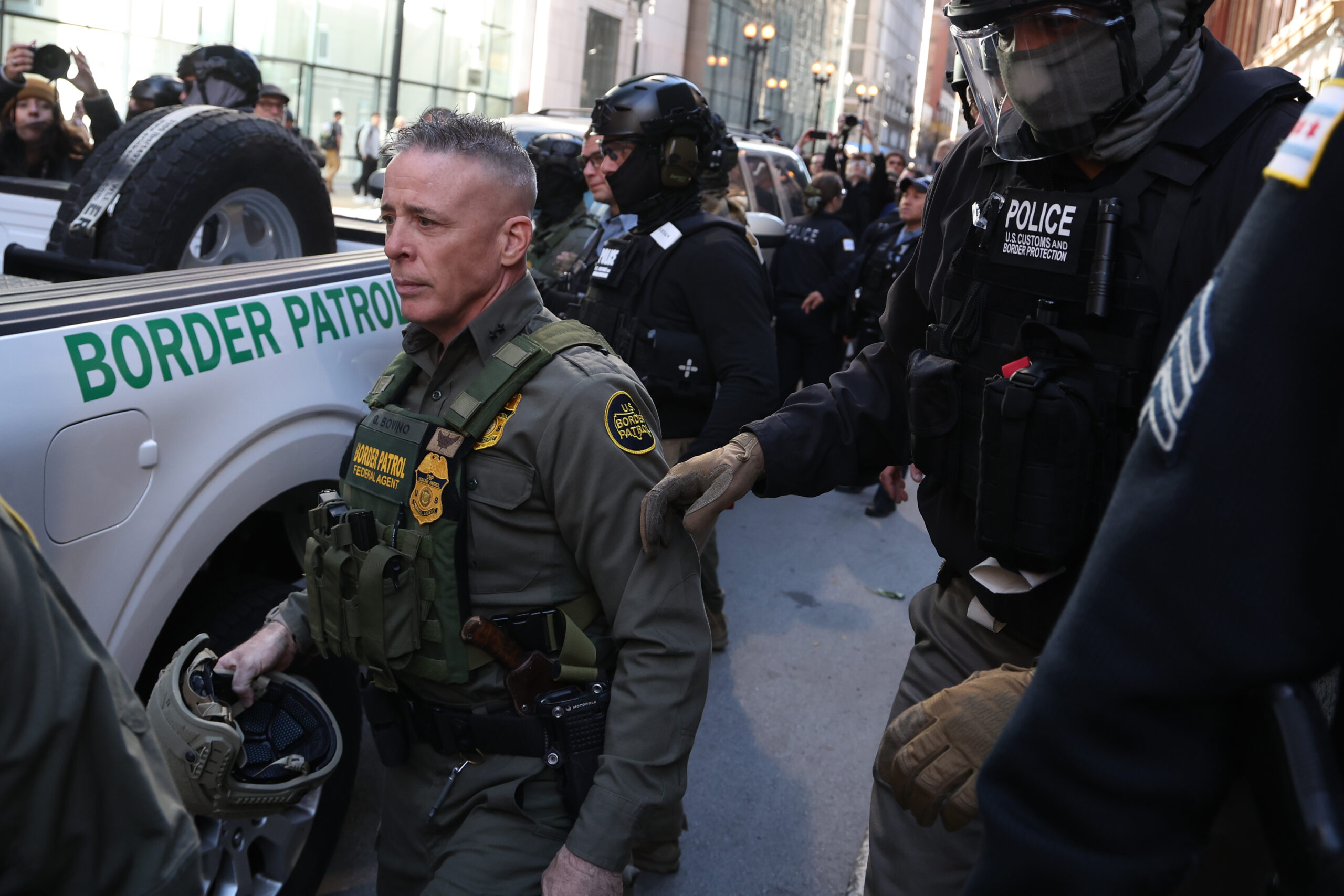
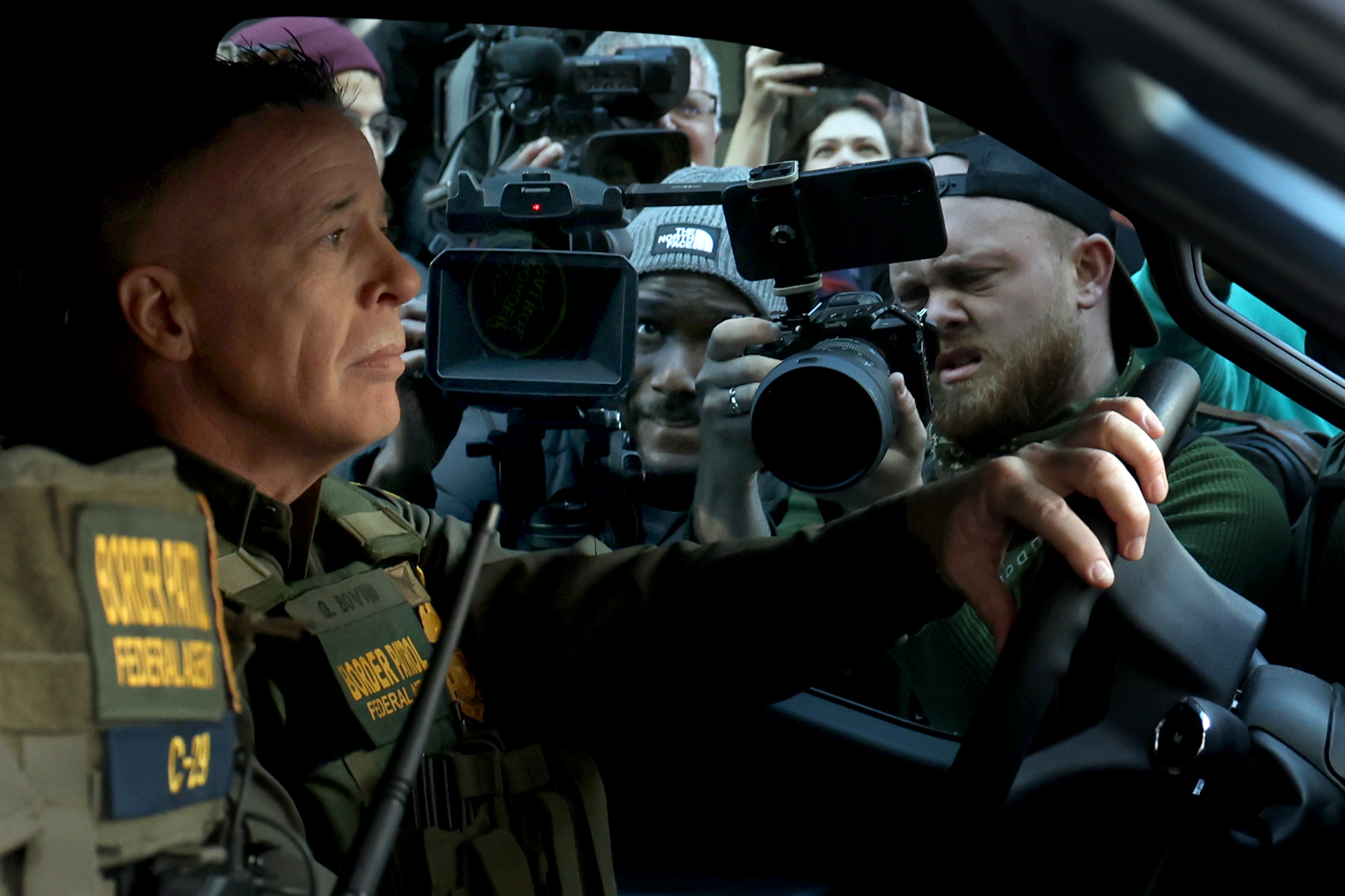
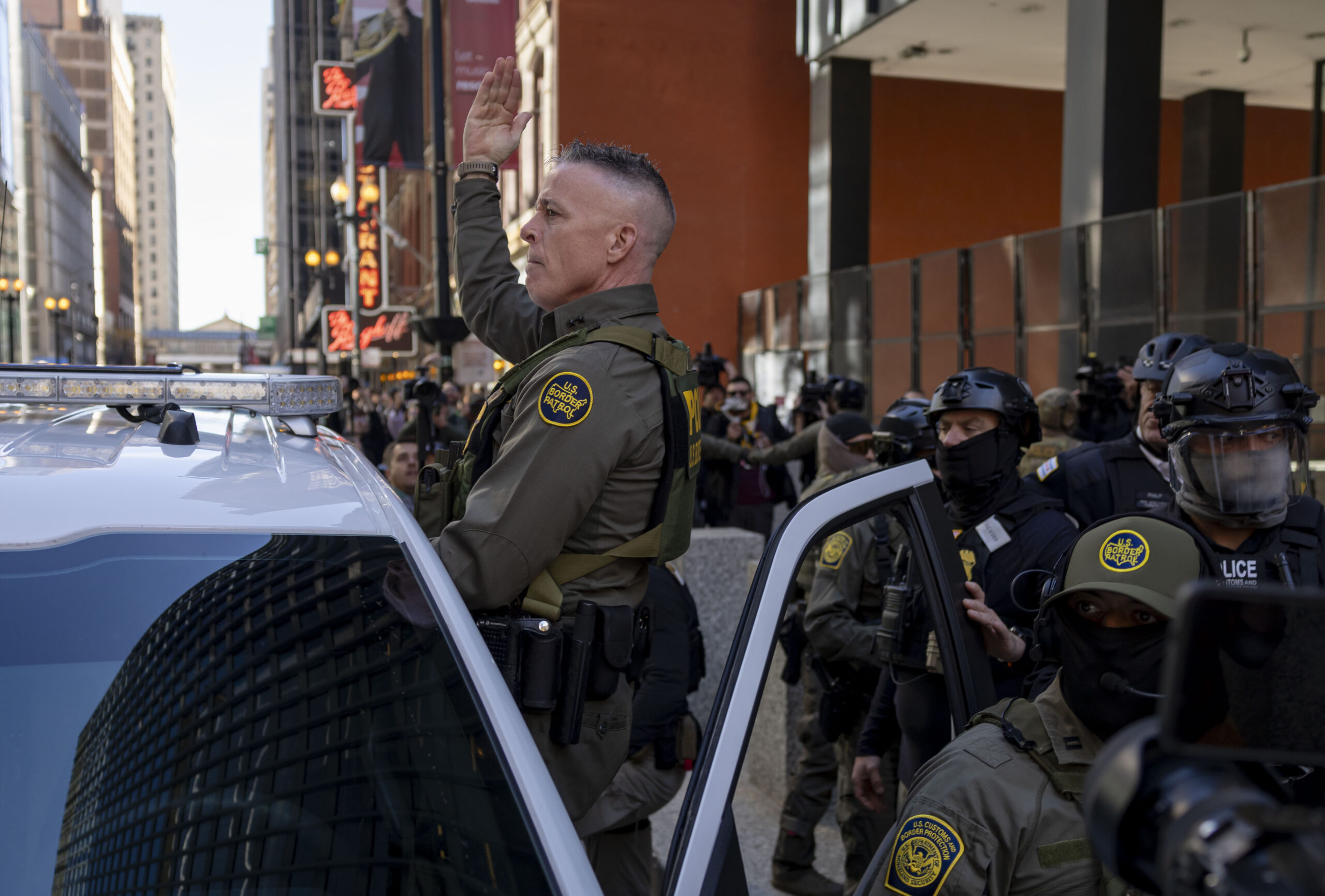
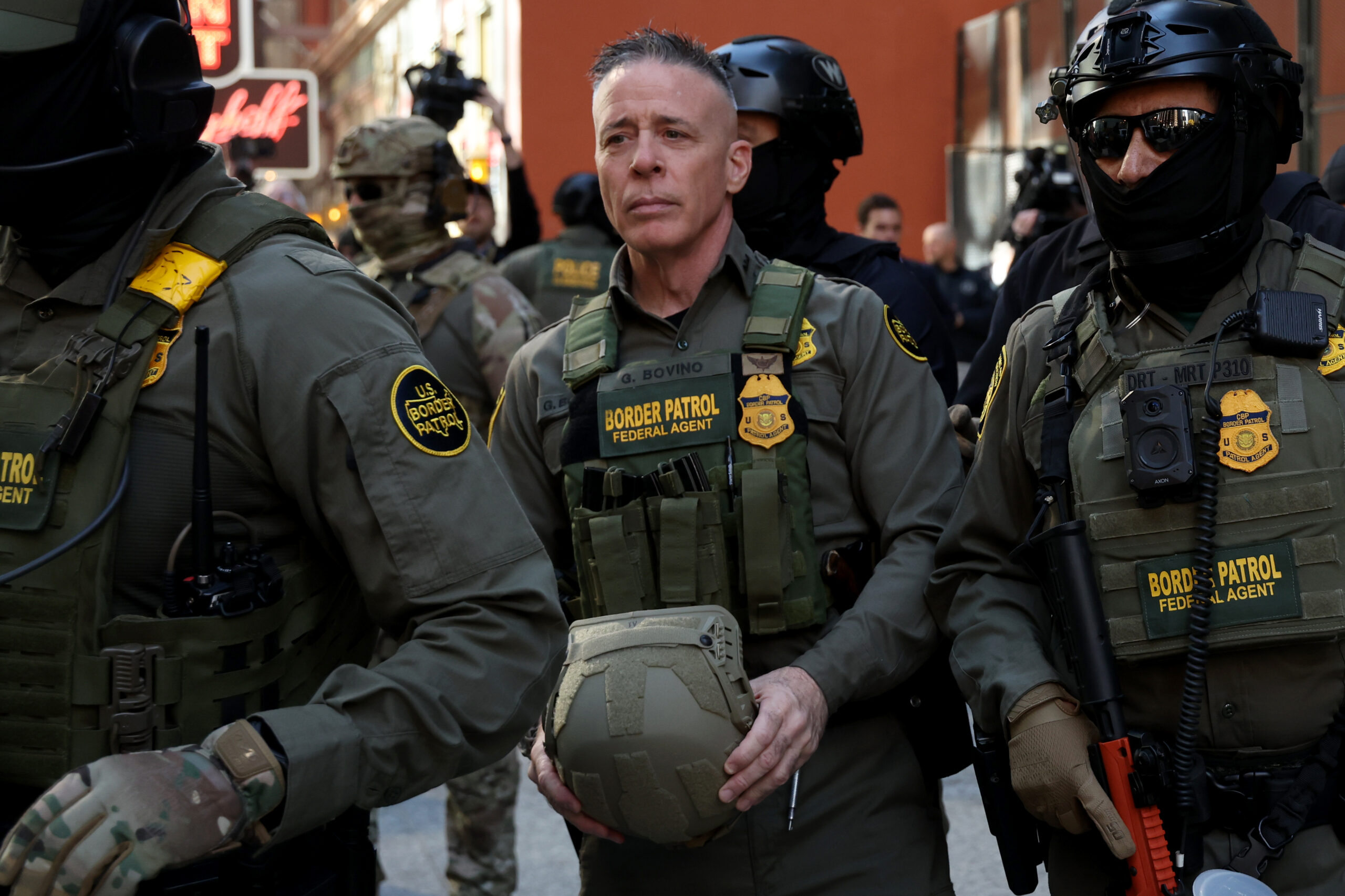
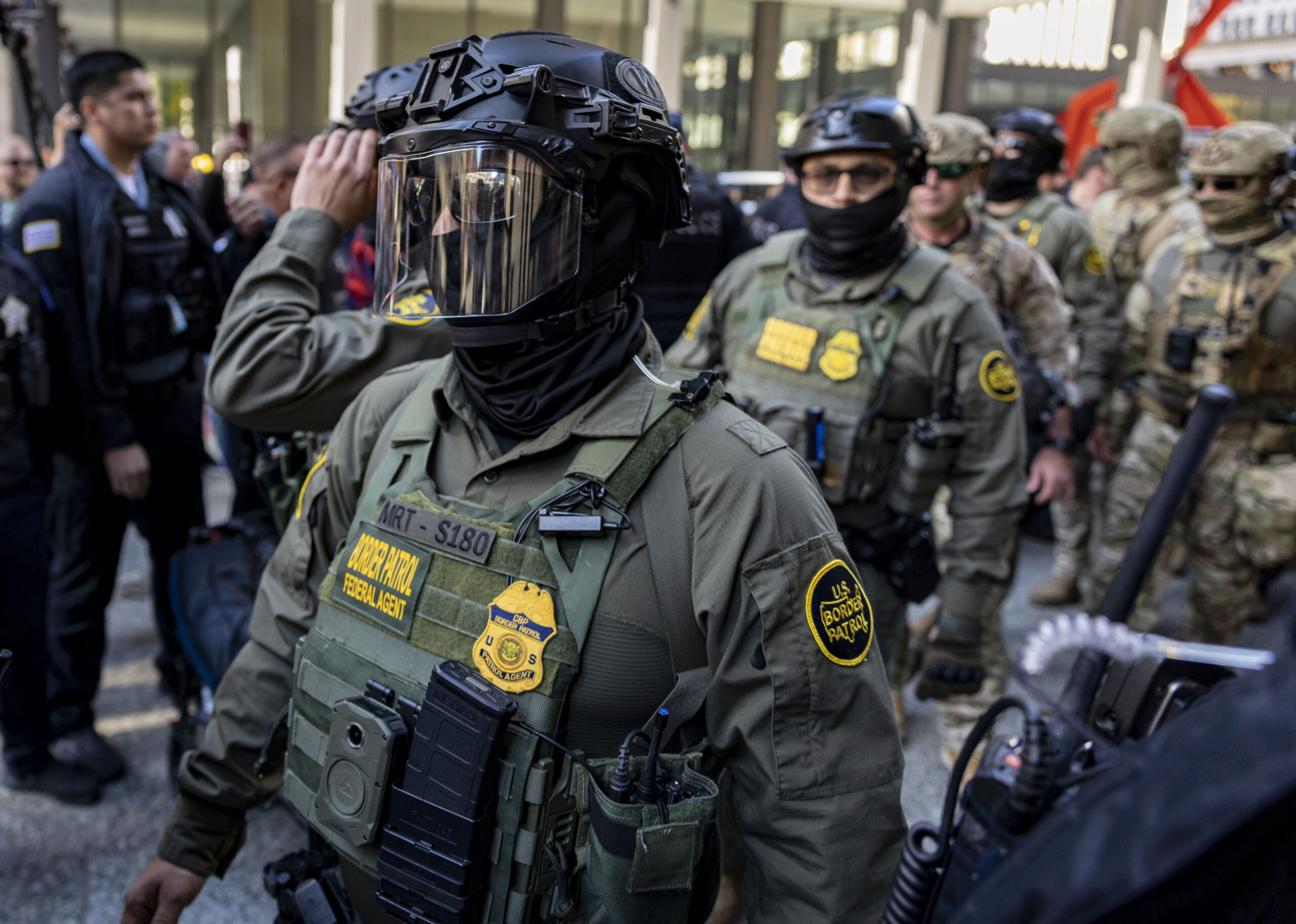
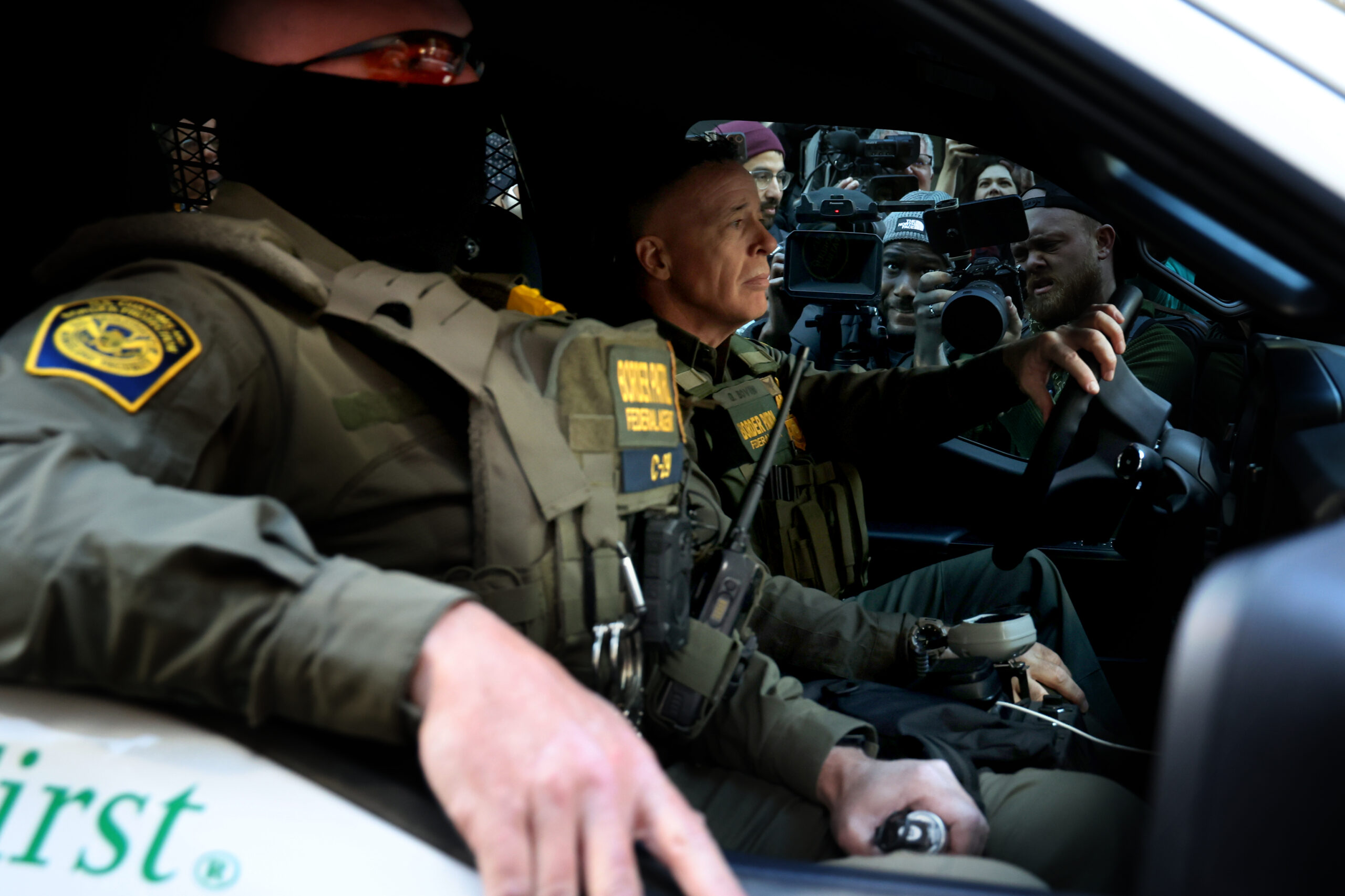
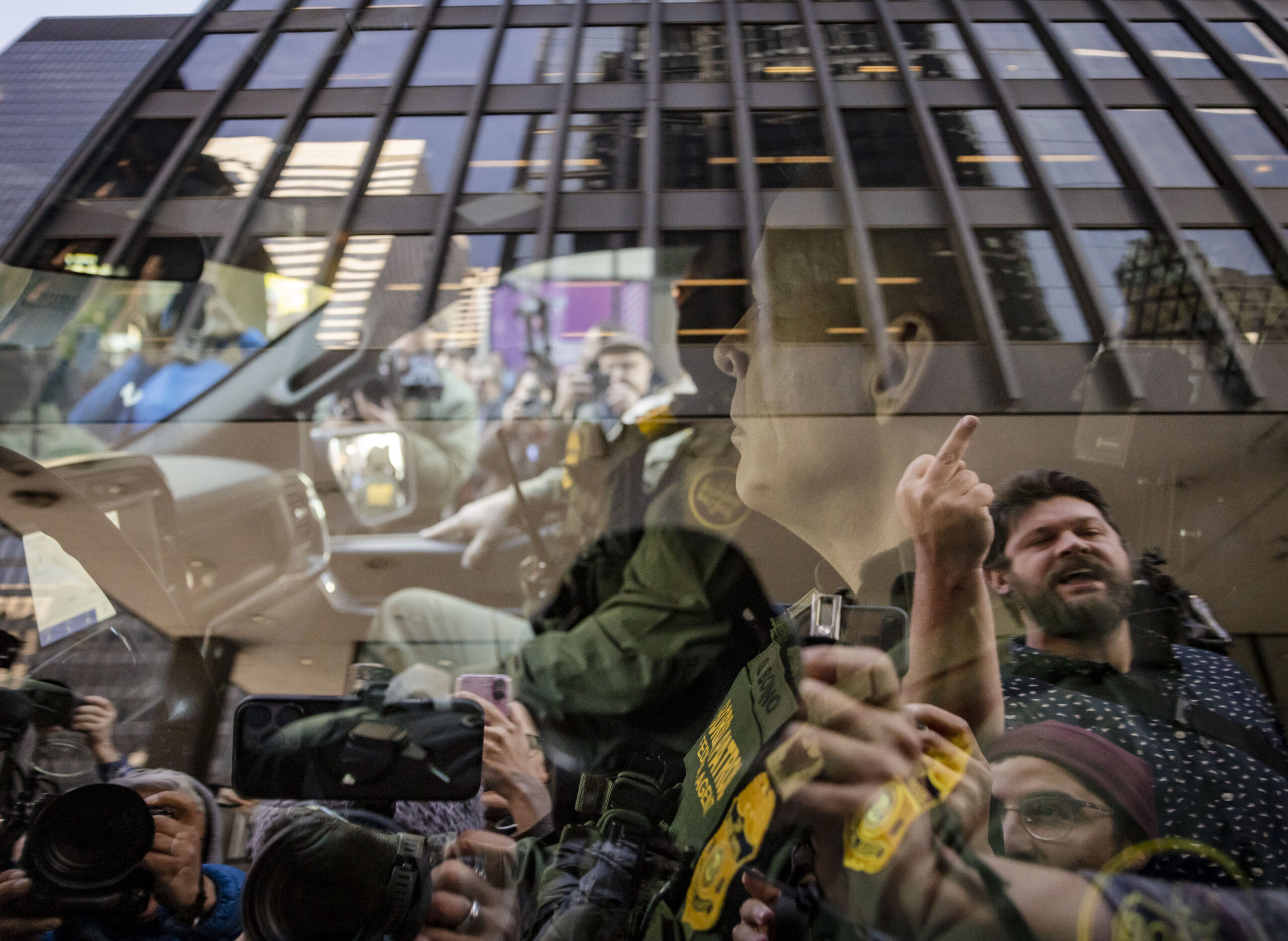
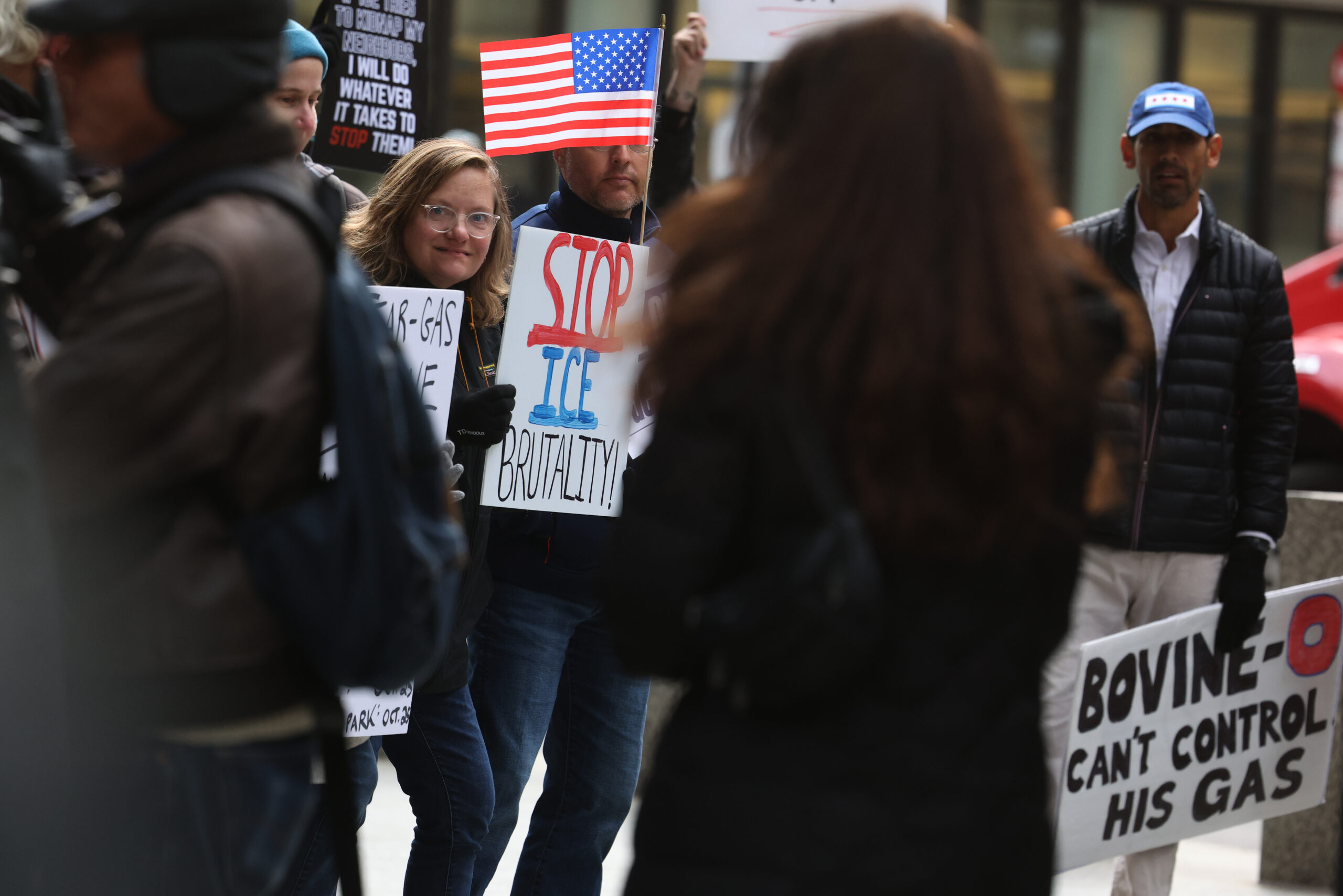
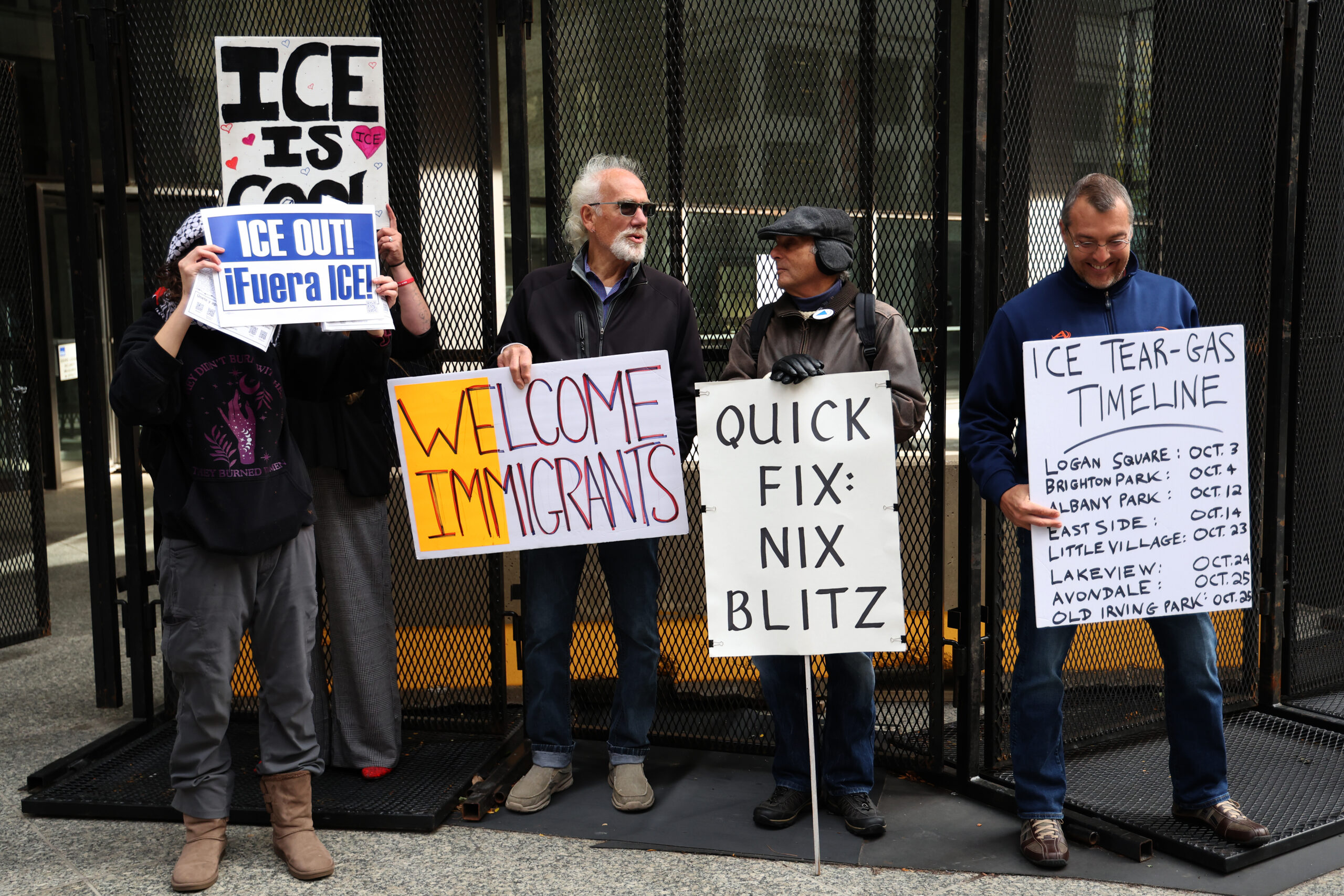
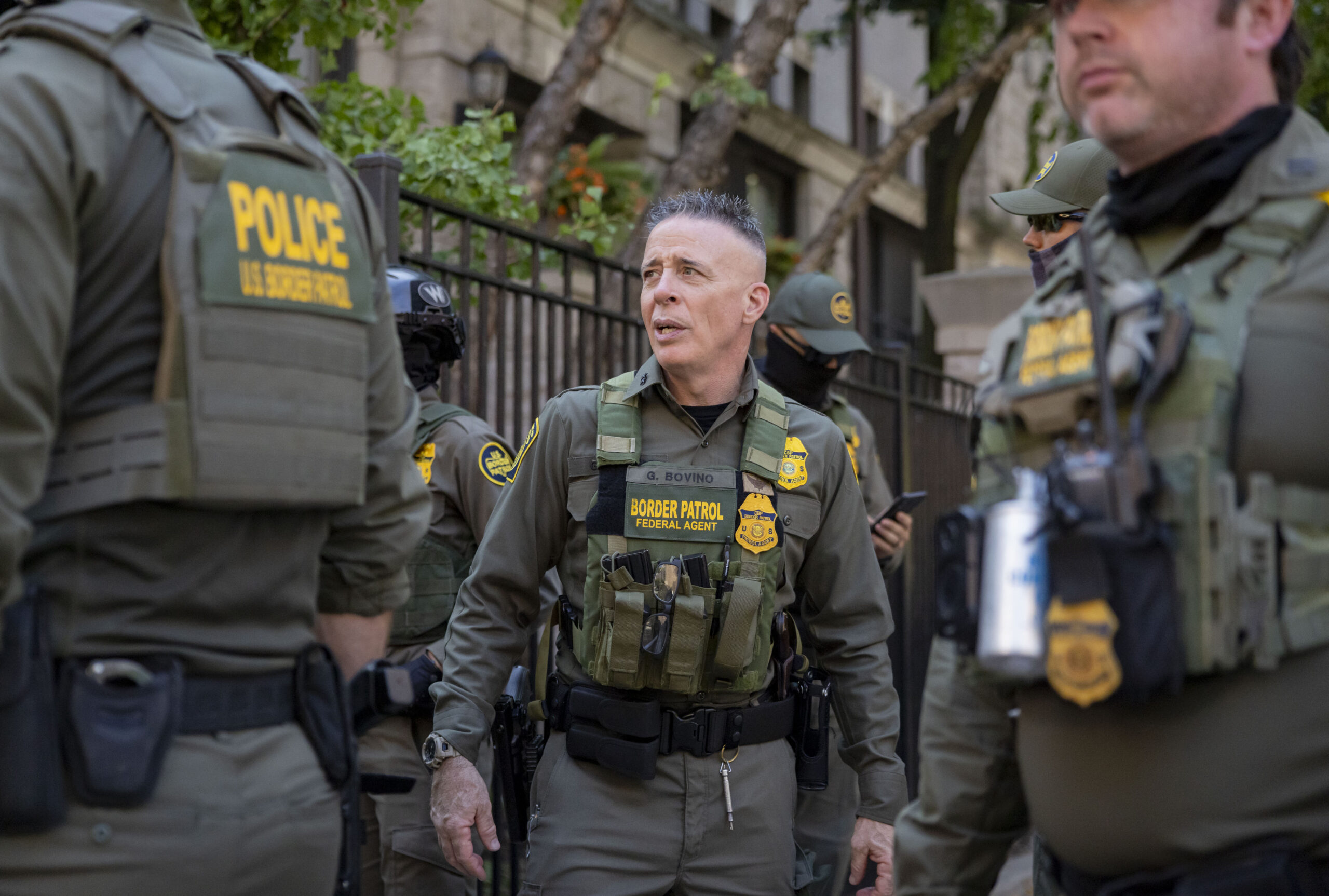
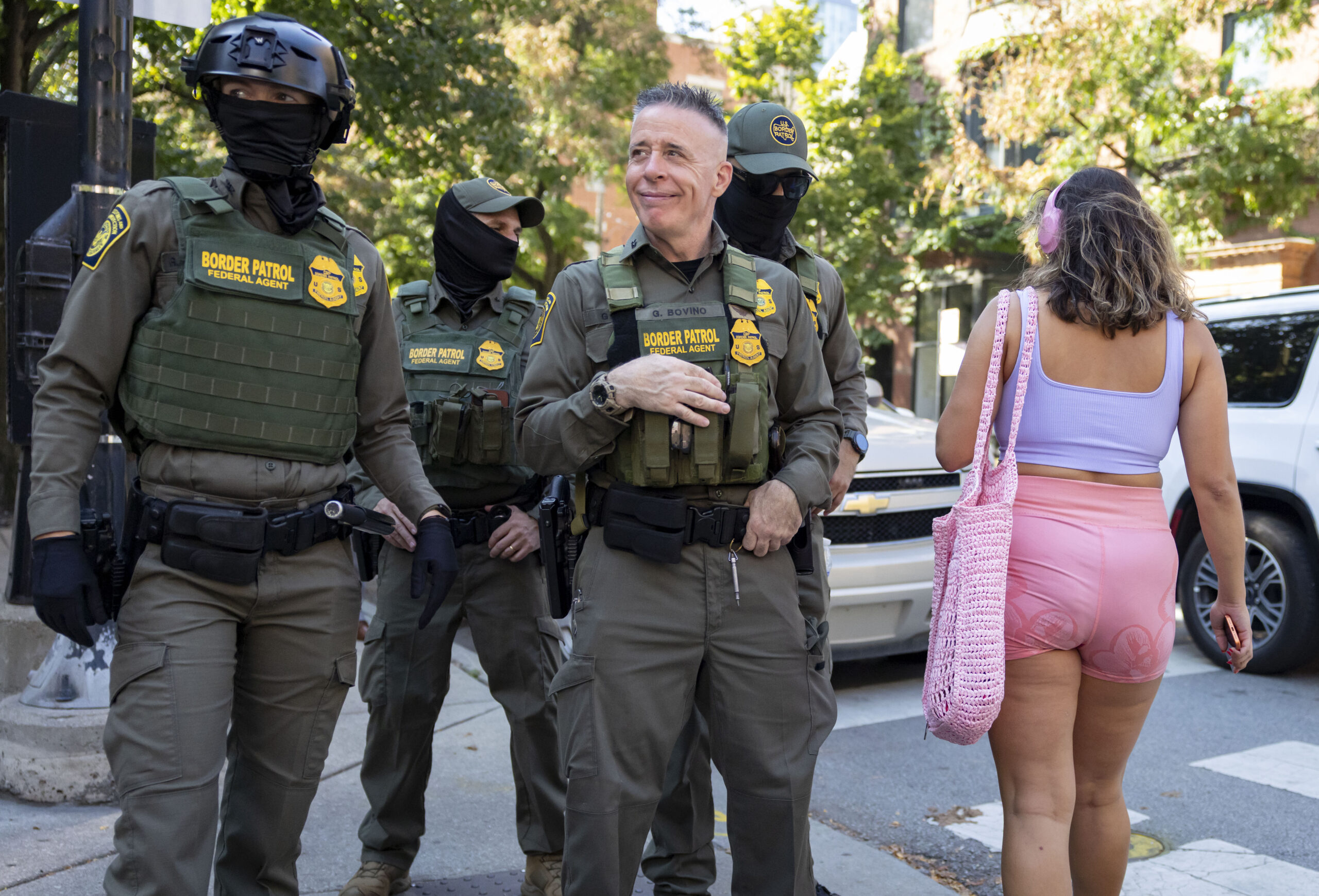
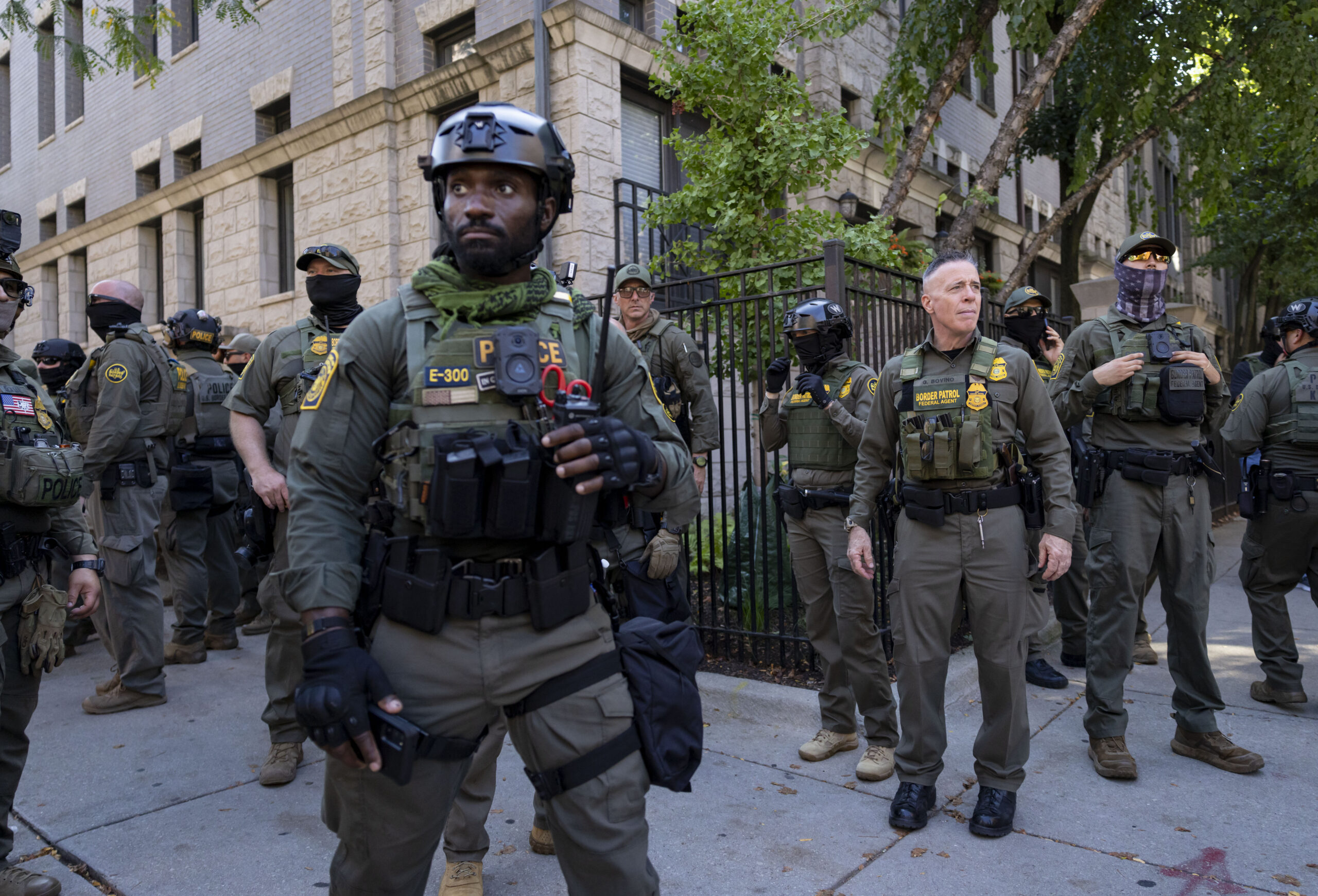
Bovino, who was the public face of Operation Midway Blitz, became a symbol of the incursion that led to the detention of 4,500 people in the Chicago area. As one of the few unmasked agents in the operation, Bovino chided area Democratic elected officials, angered a federal judge for his over-the-top tactics and threw tear gas canisters at protesters while cameras recorded him.
Bovino also became a fixture in the federal action in the Minneapolis-St. Paul area this month, before President Donald Trump sidelined him this week following the shooting deaths of two civilians at the hands of federal agents.
“It’s unfortunate,” Johnson said, “that it will take time for people to understand what a nasty individual he is.”
“Whether it’s litigation, whether it’s press conferences or whether it’s legislation, the next step that we’re going to have to try — and I’m committed to doing this — is how to set up a pathway for someone like Gregory Bovino to be prosecuted,” the Democratic mayor said at a National Press Club luncheon.
“Their behavior is hypocritical and contradictory to their rhetoric,” Johnson said. “How do you call for law and order while at the same time literally ignoring the rule of law, creating more chaos than this country has seen in a generation? And so yes, prosecution has to be the next step for full accountability.”











Johnson also rebutted Republican complaints, often heard on Capitol Hill, that Trump is sending Immigration and Customs Enforcement agents into U.S. cities to enforce immigration laws that the Biden administration did not enforce aggressively enough.
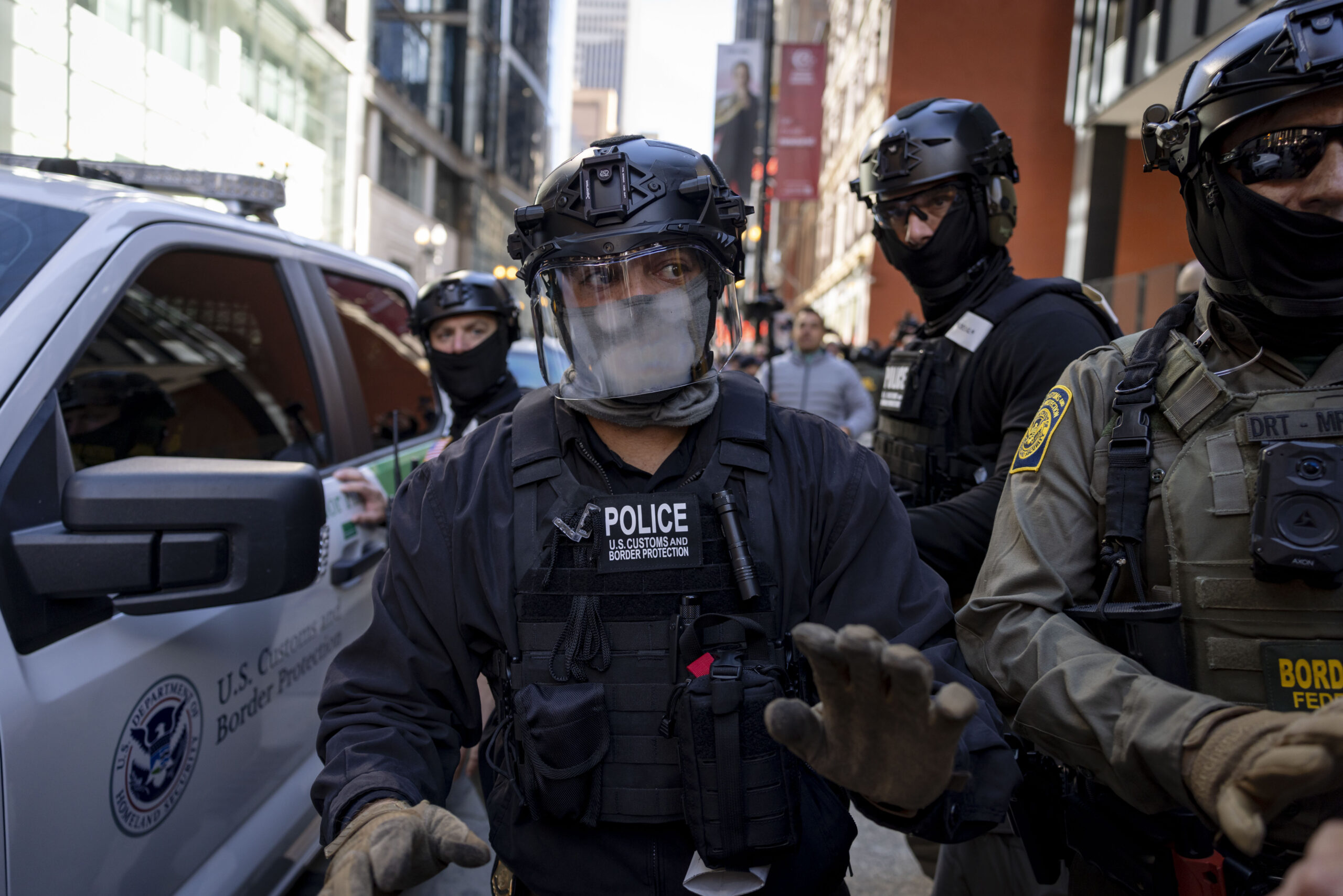
The mayor recounted the tactics of ICE and the Border Patrol in Chicago, including putting a man, who was a legal resident, in a chokehold on the West Side and storming a South Shore apartment building in the middle of the night with the aid of a Black Hawk helicopter.
“That’s not enforcement, that’s terror. Both parties know there is a broken immigration system. But there’s one party that doesn’t want to fix the broken immigration system,” Johnson said, implying that Republicans are blocking reforms.
He urged officials in other cities to take steps to limit federal overreach.
Johnson argued a Chicago policy barring ICE and Border Patrol agents from using city property for their deployments sent a message to residents that the city objected to the federal actions. It also inspired private businesses to adopt similar policies, he said.
And Johnson said other municipal leaders shouldn’t shy away from those measures because they worry about drawing attention from the Trump administration.
“I understand the anxiety, the trepidation,” he said. “The threat of evil is always lurking, and it is always better having fought and experiencing setbacks than having not fought at all and losing our ability to resist.”
“When it comes to securing justice, the last thing we should ever do is surrender,” he said. “If you don’t move, it is an act of surrender.”
Plus, he added, “they’re not alone. Just know that your big brother in Chicago will have your back, whoever you are — big city, small city — wherever you are, you have a partner in Chicago.”
Johnson is in Washington this week to participate in an annual meeting of the U.S. Conference of Mayors, a group of city executives from the largest cities in the country.
During a question-and-answer session at the Press Club, that backdrop led to inevitable comparisons between Johnson and New York’s new mayor, Zohran Mamdani, who was elected on a progressive platform like Johnson.
Since taking office at the beginning of the month, Mamdani turned heads by quickly ordering transportation improvements, calling for hearings on unsavory landlords, and tapping former Federal Trade Commission Chair Lina Khan to find ways to drive down prices on rent and utilities in the city.
Johnson said he was “grateful” for the traction that other progressive mayors have made throughout the country, but disputed the notion that his administration has been slow by comparison.
“Chicago and other American cities are unfamiliar with progressive leadership, and so what it takes is consistency,” he said.
As he often does when speaking to Chicago audiences, the mayor argued he has disproved critics by leading a steep reduction in crime, promoting affordable housing, expanding paid time off and overseeing an “economic resurgence,” pointing to O’Hare International Airport becoming the busiest in the country, tourism increasing and a quantum computing center being built on the Southeast Side.
“We’ve done everything that I promised that I would do to build the safest, most affordable big city in America,” Johnson said. “And of course, you’re going to have corporate interests that are spending millions of dollars to interrupt our progress.”
Those opponents, he said, “are more comfortable with the status quo of closing schools, closing mental health clinics — which I’ve reopened — and shutting down the Department of the Environment — which I reopened,” he said.
And he continued the fight over the 2026 budget, again saying the package the City Council recently passed over his objections was “98% of what I proposed.”
While he and a majority of the council had a handful of disagreements over the spending package, Johnson told the Press Club audience the main sticking point was his failed attempt to pass an employee head tax to be paid by large companies. The council version that passed instead will sell unpaid debt to the city to collection agencies.
“You know what the difference was?” he said. “I believe that we should place taxes on large corporations to balance the rest of that budget out. Thirty City Council members decided to sell the debts of working people and poor people over toward a private entity to raise the last bit of revenue to balance that budget.”
Daniel C. Vock is a freelance reporter based in Washington, D.C.